Q&A
The Babylonian Captivity represented a profound period in ancient history deeply impacting the Jewish people a significant exile from their homeland Judah Nebuchadnezzar II king of Babylon orchestrated several deportations of Judeans to Babylon following the destruction of Jerusalem and its revered Temple This monumental event reshaped Jewish identity religious practices and national aspirations enduring for approximately seventy years its effects resonated through generations fostering a sense of longing and a fortified commitment to their heritage Understanding this complex historical epoch offers crucial insights into the resilience of a people confronting immense adversity and cultural dislocation a truly transformative era for faith and community development This extensive period of forced displacement highlights the strategic machinations of powerful empires against smaller nations establishing precedents for future diasporas and demonstrating the enduring spirit of survival amid overwhelming circumstances exploring this history reveals foundational aspects of ancient Middle Eastern geopolitics and societal shifts
Frequently asked questions
Why did the Babylonians conquer Judah
The Babylonians conquered Judah primarily due to Judah's repeated revolts and shifting alliances against Babylonian authority. King Nebuchadnezzar II aimed to secure his empire's western borders, viewing Judah's attempts to ally with Egypt as a direct challenge to his suzerainty. This defiance ultimately led to military intervention and conquest.
When did the Babylonian Captivity happen
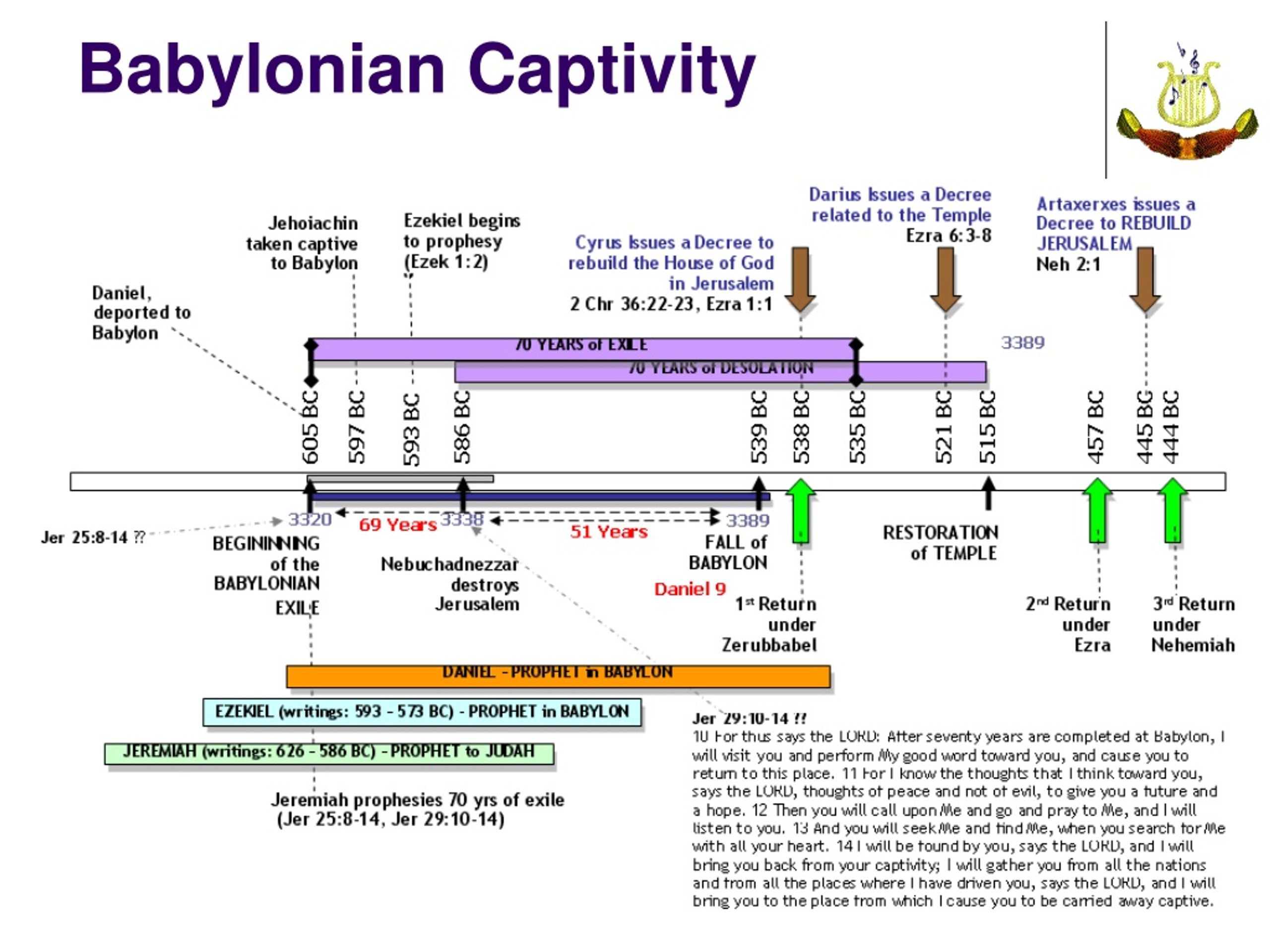
The Babylonian Captivity occurred over several decades, beginning with the first deportations around 597 BCE and the destruction of Jerusalem in 586 BCE. The exile officially concluded with Cyrus the Great's decree in 538 BCE, allowing the Jewish exiles to return to Judah. It spanned approximately seventy years.
What happened to the Temple during the Babylonian Captivity
During the Babylonian Captivity, specifically in 586 BCE, King Nebuchadnezzar II's armies completely destroyed the First Temple, also known as Solomon's Temple, in Jerusalem. This sacred sanctuary, central to Jewish worship, was burned and demolished, a catastrophic event that profoundly impacted Jewish religious life and identity during the exile.
How did the exiled Jews survive in Babylon
The exiled Jews survived in Babylon by adapting to their new environment while preserving their cultural and religious identity. They formed communities, developed the synagogue for prayer and study, and emphasized the Torah. Many engaged in agriculture, trade, and even served in Babylonian administration, maintaining their distinctiveness amidst foreign culture.
What role did Cyrus the Great play in ending the captivity
Cyrus the Great, founder of the Persian Empire, played a crucial role in ending the Babylonian Captivity. After conquering Babylon in 539 BCE, he issued a famous decree in 538 BCE allowing the Jewish exiles to return to Judah and rebuild their Temple. This act of benevolence marked the official conclusion of the seventy-year exile.
Was the Babylonian Captivity prophesied in the Bible
Yes, the Babylonian Captivity was extensively prophesied in the Bible, particularly by the prophet Jeremiah. He foretold the destruction of Jerusalem, the exile of the Judean people to Babylon, and the seventy-year duration of their captivity. These prophecies served as warnings and later as a source of hope for future restoration.
The Babylonian Captivity or Babylonian Exile marked a crucial seventy-year period in ancient Near Eastern history during which a significant portion of the Jewish population from the Kingdom of Judah was forcibly removed from their homeland and resettled in Babylonia. This traumatic series of events, primarily orchestrated by King Nebuchadnezzar II, began with the destruction of Jerusalem and its sacred Temple, fundamentally altering Jewish religious and national identity. Understanding this epoch provides essential context for the development of Judaism and the enduring resilience of a people facing profound displacement and cultural adversity.
This forced migration began in phases starting around the late seventh century BCE and continued into the sixth century BCE, disrupting the established societal and religious structures of Judah. The exiles faced numerous challenges in their new environment, yet they managed to preserve their cultural heritage and religious practices, laying the groundwork for future Jewish communities outside of Israel. The Babylonian Captivity stands as a testament to both imperial power and the enduring spirit of human survival and adaptation in the face of overwhelming odds.
Many scholars and historians examine this period for its multifaceted implications, from geopolitical shifts to deep theological reflections embedded in ancient texts. It represents a watershed moment where the focus of Jewish religious life began to shift from temple-centric worship to communal study and prayer, influencing the very fabric of religious identity. The experience of exile prompted introspection and a renewed commitment to monotheism, shaping the future trajectory of Jewish thought and practice for millennia to come.
Core Understanding The Babylonian Captivity
What led to the Babylonian Captivity
The path to the Babylonian Captivity was paved by a complex interplay of geopolitical struggles and the Kingdom of Judah's precarious position between powerful empires. As the Neo-Assyrian Empire waned, Babylon rose to prominence under King Nebuchadnezzar II, asserting its dominance over the region. Judah, situated strategically, often found itself caught between the competing influences of Egypt and Babylon, leading its kings to make fateful political alliances that ultimately provoked Babylonian wrath. Repeated rebellions by Judean monarchs against Babylonian suzerainty, despite stern warnings from prophets like Jeremiah, served as the primary catalyst for Nebuchadnezzar's decisive military interventions.
Jerusalem's leaders and populace faced a critical decision: submit to Babylon or risk complete annihilation. Unfortunately, a faction favoring alliance with Egypt prevailed, igniting a series of sieges by Babylonian forces. The first major deportation occurred after the siege of Jerusalem around 597 BCE, involving King Jehoiachin and significant portions of the upper classes, artisans, and skilled laborers. This initial wave of exiles included prominent figures who would later contribute immensely to the literary and religious heritage of the Jewish people, setting a precedent for the larger catastrophe that was to follow, shaping the destiny of an entire nation.
The final and most devastating blow came when King Zedekiah, appointed by Nebuchadnezzar, also rebelled, prompting a final, brutal Babylonian campaign. In 586 BCE, Nebuchadnezzar's armies completely destroyed Jerusalem, tearing down its walls, burning the First Temple Solomon's Temple to the ground, and exiling the majority of the remaining Judean population to Babylon. This catastrophic event marked the definitive beginning of the Babylonian Captivity, fundamentally reshaping the political, social, and religious landscape for the Jewish people for generations to come, leaving an indelible mark on their collective memory and identity.
How did the exile impact the Jewish people
The Babylonian Captivity exerted a profound and transformative impact on the Jewish people, forcing them to re-evaluate their identity, religious practices, and national aspirations. Removed from their land and the Temple, the traditional center of their worship, the exiles developed new forms of religious expression. The concept of the synagogue, a place for communal prayer, study, and gathering, began to emerge and flourish during this period, demonstrating remarkable adaptability and an unwavering commitment to their faith away from the physical confines of Jerusalem. This innovation proved crucial for the survival and evolution of Judaism.
The experience of living as a minority in a foreign land also intensified their sense of monotheism and distinctiveness. Surrounded by polytheistic cultures, the exiles strengthened their adherence to one God, Yahweh, and began to emphasize the importance of the Torah and covenant as central to their identity, even without a physical temple. This period saw the vigorous development of scribal traditions and the careful preservation of sacred texts, ensuring that their heritage would endure for future generations. The challenges of exile ironically galvanized their religious commitment.
Furthermore the Babylonian Captivity fostered a deep longing for Zion and a powerful hope for restoration, which became central themes in prophetic literature and psalms of the era. This longing for return instilled a strong communal identity and a sense of shared destiny among the dispersed Jewish people. The seventy years in Babylon, though marked by hardship, ultimately solidified Jewish nationhood as a religious and cultural entity rather than solely a geopolitical one, impacting the very definition of what it meant to be Jewish for millennia. It shaped their resilience and spiritual fortitude profoundly.
Who were the key figures involved
Several pivotal figures played crucial roles in the unfolding drama of the Babylonian Captivity, shaping its trajectory and lasting legacy. Nebuchadnezzar II, the powerful king of Babylon, stands as the central antagonist from the Judean perspective. His military might and imperial ambition led to the conquest of Judah, the destruction of Jerusalem, and the forced deportations. His strategic decisions initiated the seventy-year exile, directly responsible for the immense suffering and displacement endured by the Jewish people. His reign marked a significant period of Babylonian dominance and expansion across the ancient Near East.
Among the Jewish people, the prophets played an indispensable role, offering spiritual guidance, warnings, and hope during this tumultuous era. Jeremiah, known as the weeping prophet, ministered in Jerusalem before and during the initial deportations, sternly warning the Judeans of impending divine judgment if they did not repent and submit to Babylon. His unflinching messages were largely rejected but later vindicated by events, establishing his powerful voice as a beacon of truth amidst the impending chaos and national decline. His words resonate with enduring theological significance.
In Babylon, the prophet Ezekiel ministered to the exiled community, providing messages of comfort, vision, and a renewed emphasis on individual responsibility and holiness. He offered hope for a future restoration and the rebuilding of the Temple, even as they lived in a foreign land. Another influential figure was Daniel, a young Judean noble taken to Babylon who rose to prominence in the Babylonian and later Persian courts through divine wisdom and integrity, providing an example of faithfulness in exile. Finally, Cyrus the Great of Persia emerged as the liberator, whose decree allowed the Jewish people to return to Judah and rebuild their Temple, bringing an end to the long period of captivity.
Frequently Asked Questions
What was the duration of the Babylonian Captivity
The Babylonian Captivity lasted approximately seventy years, aligning with biblical prophecies. The first major deportation occurred in 597 BCE, and the decree by Cyrus the Great allowing the exiles to return to Judah was issued in 538 BCE, effectively marking the end of this significant period of displacement and foreign rule for the Jewish people. This duration had profound impacts on their religious and cultural development.
Did everyone return from Babylon
No, not everyone returned from Babylon. While Cyrus's decree permitted and encouraged the return of the Jewish exiles to Judah, many had established lives, families, and businesses in Babylonia over the decades. A substantial portion chose to remain, contributing to the development of a large and influential Jewish diaspora community in Mesopotamia. The return was voluntary, not compulsory, reflecting diverse individual circumstances.
What is the significance of the Babylonian Captivity today
The Babylonian Captivity holds immense significance today as it fundamentally shaped Jewish identity and religious practice. It fostered the development of the synagogue, deepened monotheistic commitment, and emphasized the study of the Torah, proving that Jewish life could thrive without the Temple in Jerusalem. This period also laid foundational themes of exile and return, resilience, and faith that continue to resonate within Jewish tradition and global history.
Key highlights
Babylonian exile history, Jewish diaspora origins, Cyrus decree significance, Jerusalem temple fall, ancient Judah deportation, Neo Babylonian Empire actions