Q&A
Understanding a time zone map is crucial for navigating our increasingly connected world. For Gen Z and younger Millennials, whether you are planning international travel managing remote teams or just coordinating with friends across continents knowing the precise time difference is essential. This guide provides a clear comprehensive overview of how time zones work why they matter and how to effectively use various digital and physical maps to stay on schedule. From deciphering Coordinated Universal Time UTC to understanding Daylight Saving adjustments this resource is designed to simplify global time management. Explore the practical applications of time zone maps for business personal communication and seamless travel. Discover the best tools and tips to master time differences ensuring you are always on time no matter where you are or where your contacts are located. This information is key for anyone needing to synchronize schedules globally avoiding miscommunications and optimizing planning. Prepare to become a time zone expert.
Frequently asked questions
What is the purpose of a time zone map?
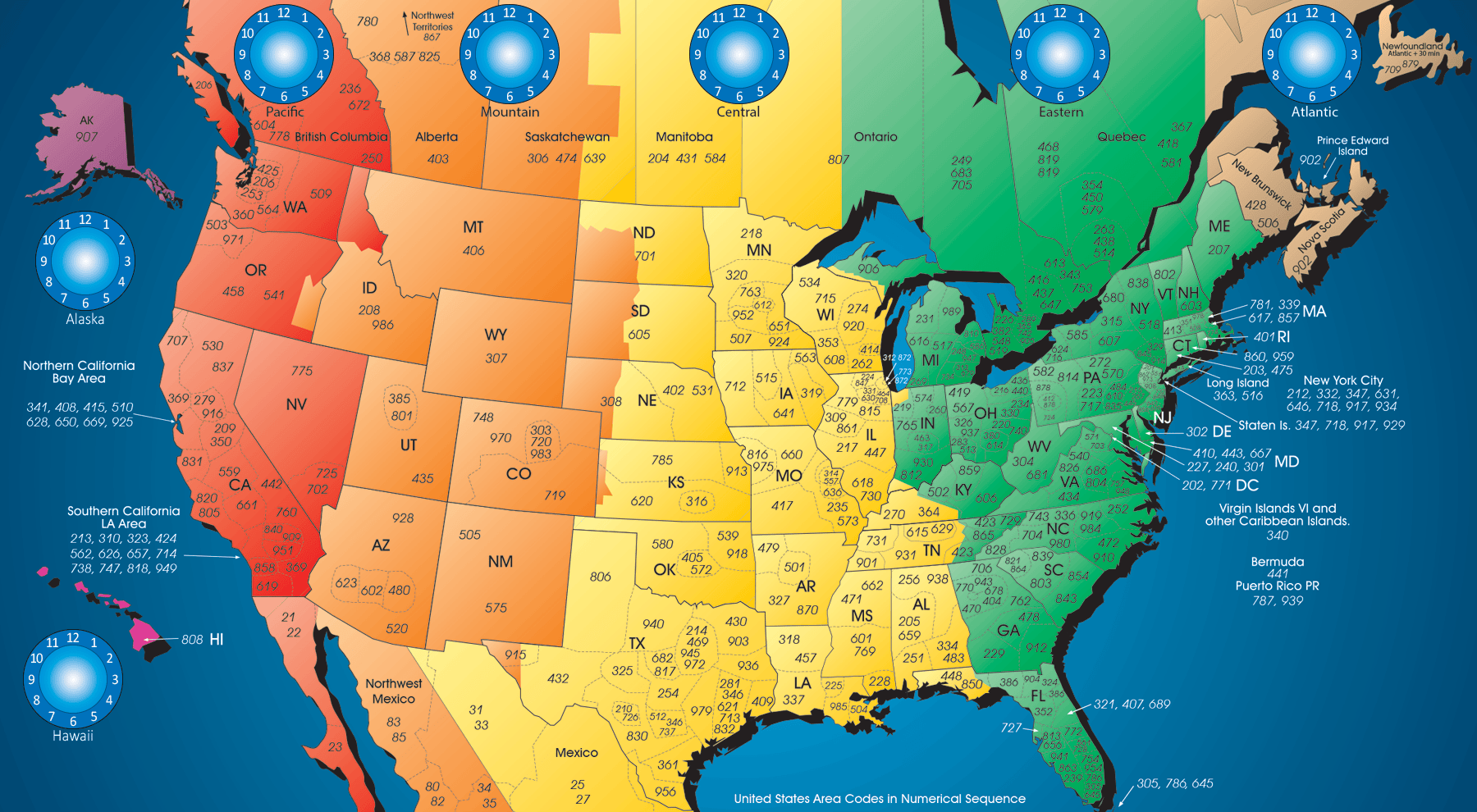
A time zone map illustrates the global division into distinct time regions. Its purpose is to help individuals and organizations understand and coordinate time differences for international travel, business, and communication, ensuring accurate scheduling across various geographic locations. This visual tool prevents costly errors.
How many time zones are there in the world?
Globally, there are officially 24 main time zones based on hourly differences from UTC. However, due to various factors like Daylight Saving Time and regions with half-hour or quarter-hour offsets, the actual number of unique time zones that are observed worldwide exceeds 40, making precise coordination essential.
What is Coordinated Universal Time (UTC) on a time zone map?
Coordinated Universal Time (UTC) is the primary time standard that regulates clocks globally. On a time zone map, UTC represents the baseline (0 offset) from which all other time zones are calculated, either by adding or subtracting hours. It's the successor to Greenwich Mean Time (GMT) for scientific accuracy.
How does Daylight Saving Time affect a time zone map?
Daylight Saving Time (DST) causes clocks in participating regions to temporarily shift forward by one hour in spring and back in fall. On a time zone map, this means the displayed time for those areas will differ from their standard offset from UTC during the DST period, requiring constant awareness for planning.
Where can I find an interactive time zone map online?
Excellent interactive time zone maps can be found on websites like World Time Buddy and TimeAndDate.com. These platforms allow users to easily compare times in multiple cities, calculate time differences for meetings, and visualize the global time distribution, providing real-time data for accurate planning.
Can a time zone map help with international flight planning?
Absolutely, a time zone map is indispensable for international flight planning. It helps travelers understand departure and arrival times in local contexts, anticipate jet lag, and coordinate ground transportation. Checking flight schedules against a reliable time zone map ensures smooth transitions and avoids confusion.
Why are some areas on a time zone map shown with non-hourly offsets?
Some areas on a time zone map display non-hourly offsets (e.g., UTC+3:30 or UTC+5:45) primarily due to historical, political, or geographical decisions made by those regions. These unique adjustments aim to better align local time with sunrise/sunset patterns or to match the time of neighboring influential areas.
Understanding global time zones is vital in today's interconnected world especially for anyone managing international calls travel or remote work. This guide cuts straight to the chase showing you how to master the time zone map.
Frequently Asked Questions
Where can I find the most accurate global time zone map for immediate reference?
For the absolute best locations to view accurate time zones check World Time Buddy and TimeAndDate.com. Both offer interactive maps for real-time information.
How do Maps help me understand time zones when planning international meetings?
Use your favorite mobile Maps app. Search for a city and it will often show the current local time. This helps verify real-time hours for events or meetings across different zones.
What's the best time management tip when dealing with multiple time zones?
A practical tip is to always use a dedicated time zone converter app or website. Confirm meeting times in the recipient's local time zone. This prevents common scheduling errors and ensures smooth coordination for everyone involved.
Here is a quick guide to essential time zone reference tools:
World Time Buddy offers interactive global time comparisons. TimeAndDate.com provides detailed time zone information and converters. Google Maps displays local time for specific cities. The World Clock gives comprehensive city time zones worldwide.
All maps focus on time zone map
Key highlights
Global Time Management Explained Easy Navigation of Time Differences Essential for Travelers and Remote Workers Understand UTC and DST Practical Tips for Scheduling Across Zones Digital and Physical Map Usage
Gallery