Understanding the US map in Civil War offers a fascinating glimpse into a pivotal period of American history. The conflict, spanning from 1861 to 1865, fundamentally reshaped the nation's geography and political landscape. This guide explores the division of states between the Union and Confederacy, highlighting key border states and their strategic importance. Examining these historical maps reveals how economic interests, social structures, and political ideologies carved a deeply divided nation. Exploring the territorial control helps us grasp the military strategies and outcomes of major campaigns. Discover how the boundaries on the US map in Civil War tell a powerful story of division, struggle, and eventual reunification. These historical details are crucial for anyone seeking to comprehend the depth of this national conflict. Engaging with these maps provides navigational insight into a transformative era for the United States.
When we look at the US map in Civil War, we see a nation deeply divided. This period, from 1861 to 1865, forever changed America. The core conflict was between the Union and the Confederacy. Understanding these geographical divisions helps us grasp the war's complexities and outcomes. The US map in Civil War vividly illustrates the struggle for national identity.
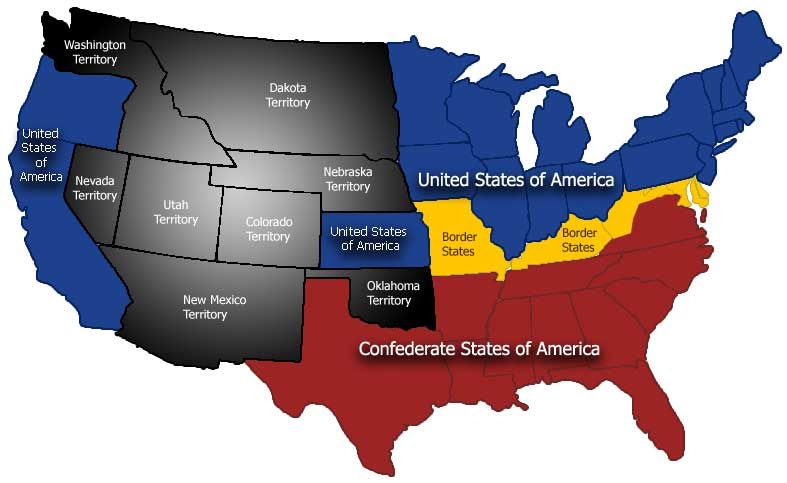
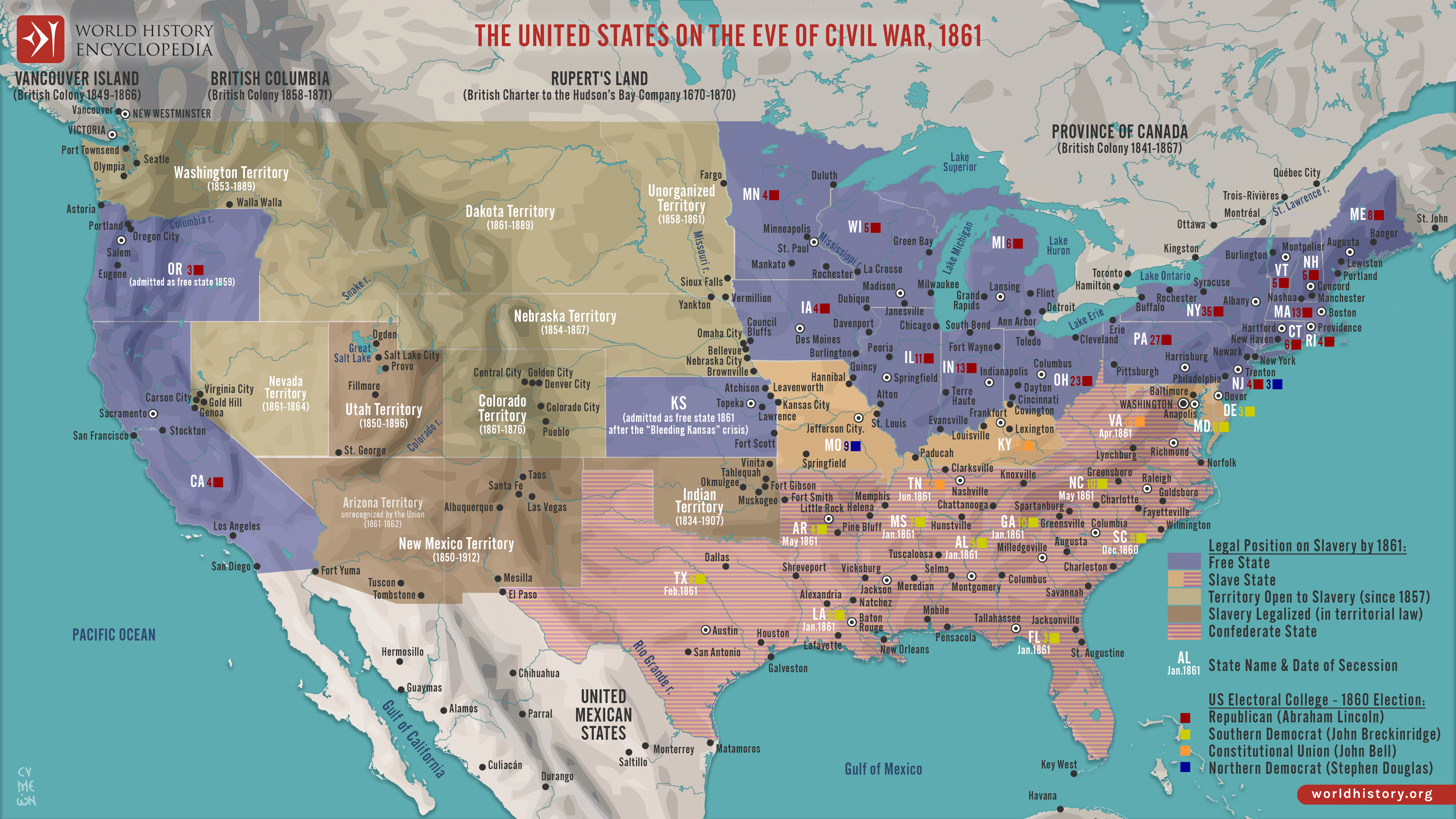
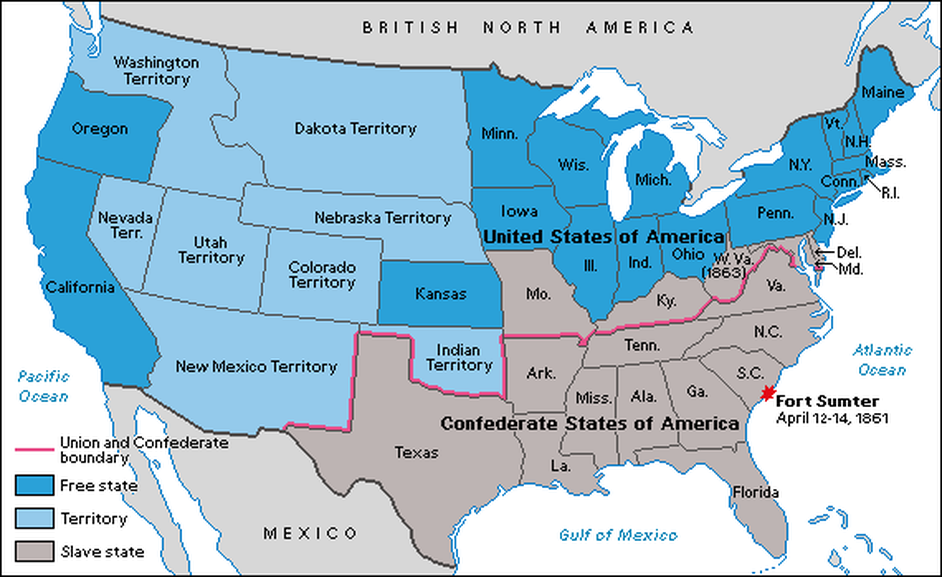
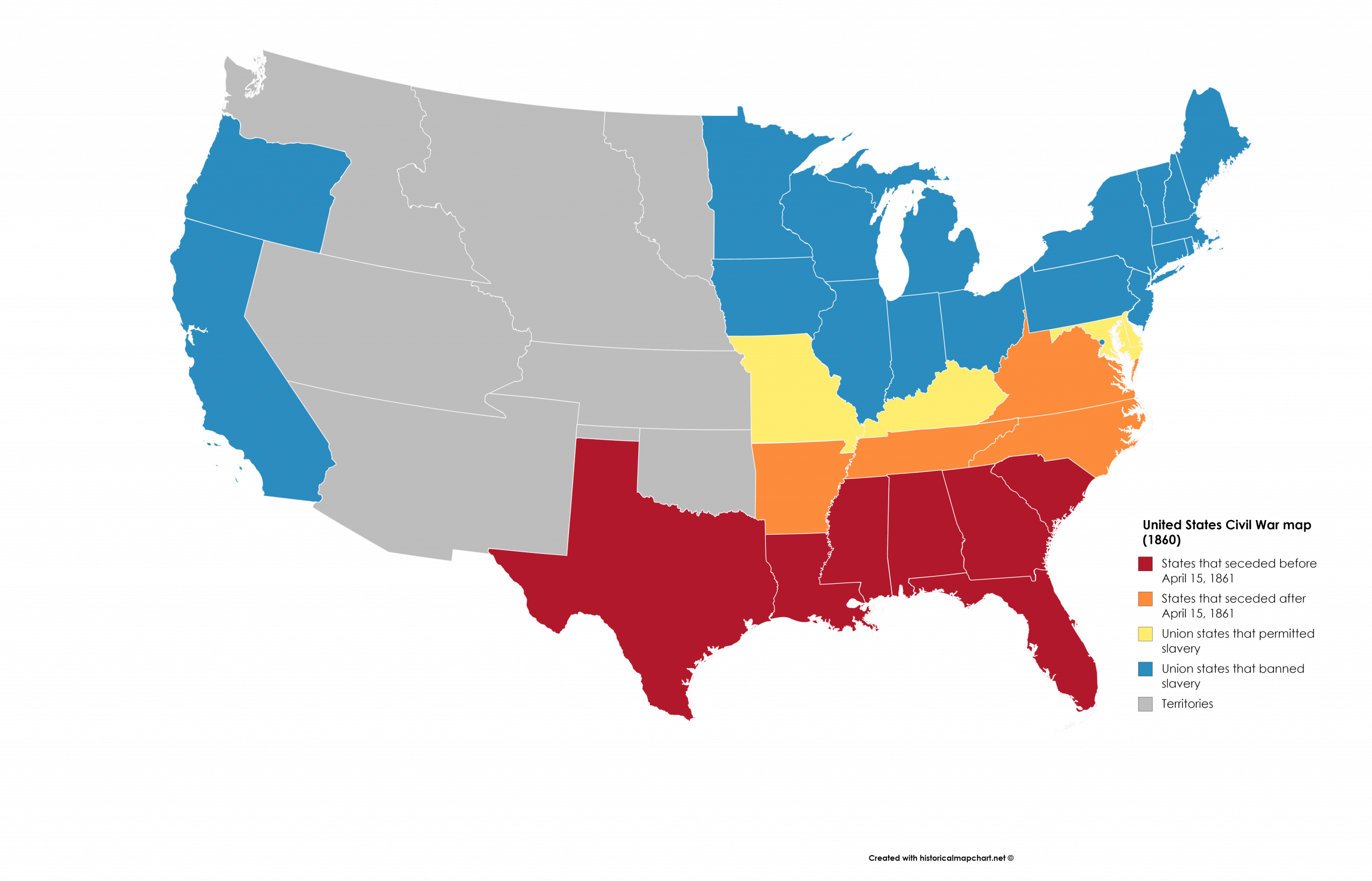
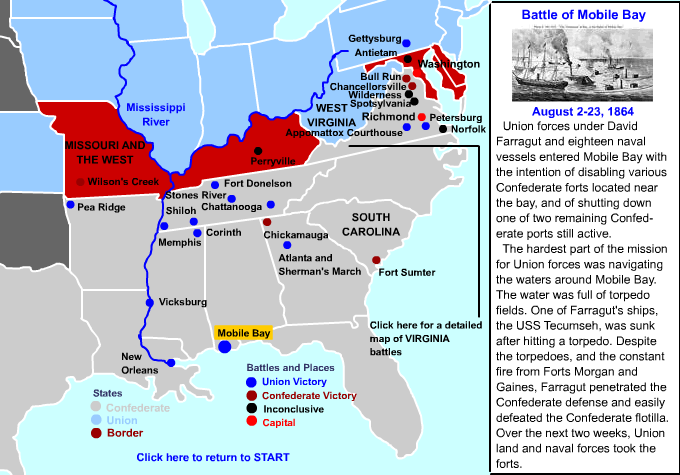
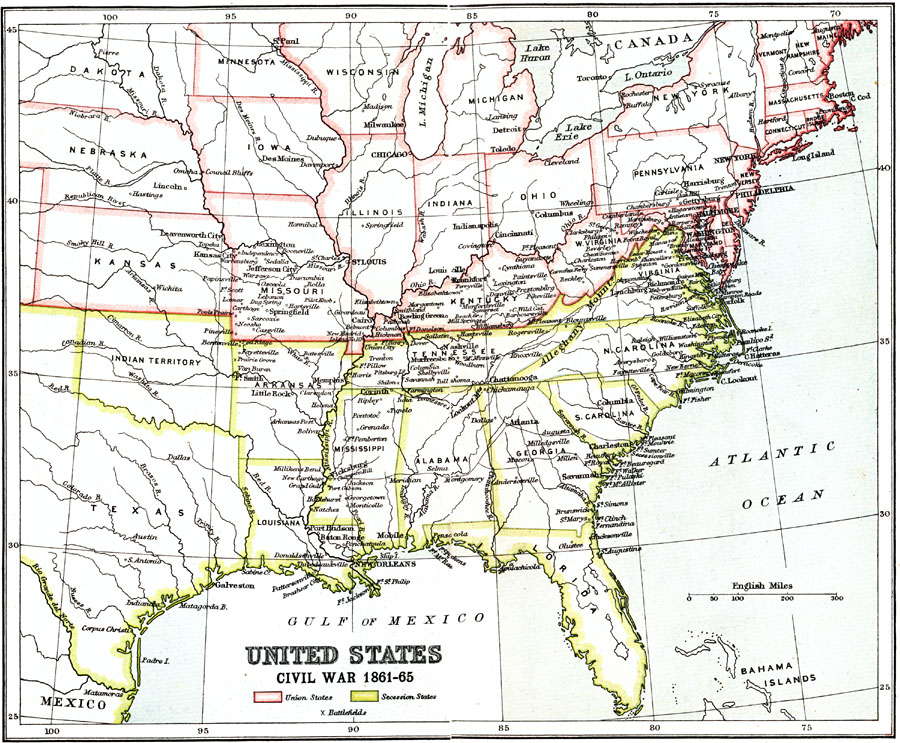
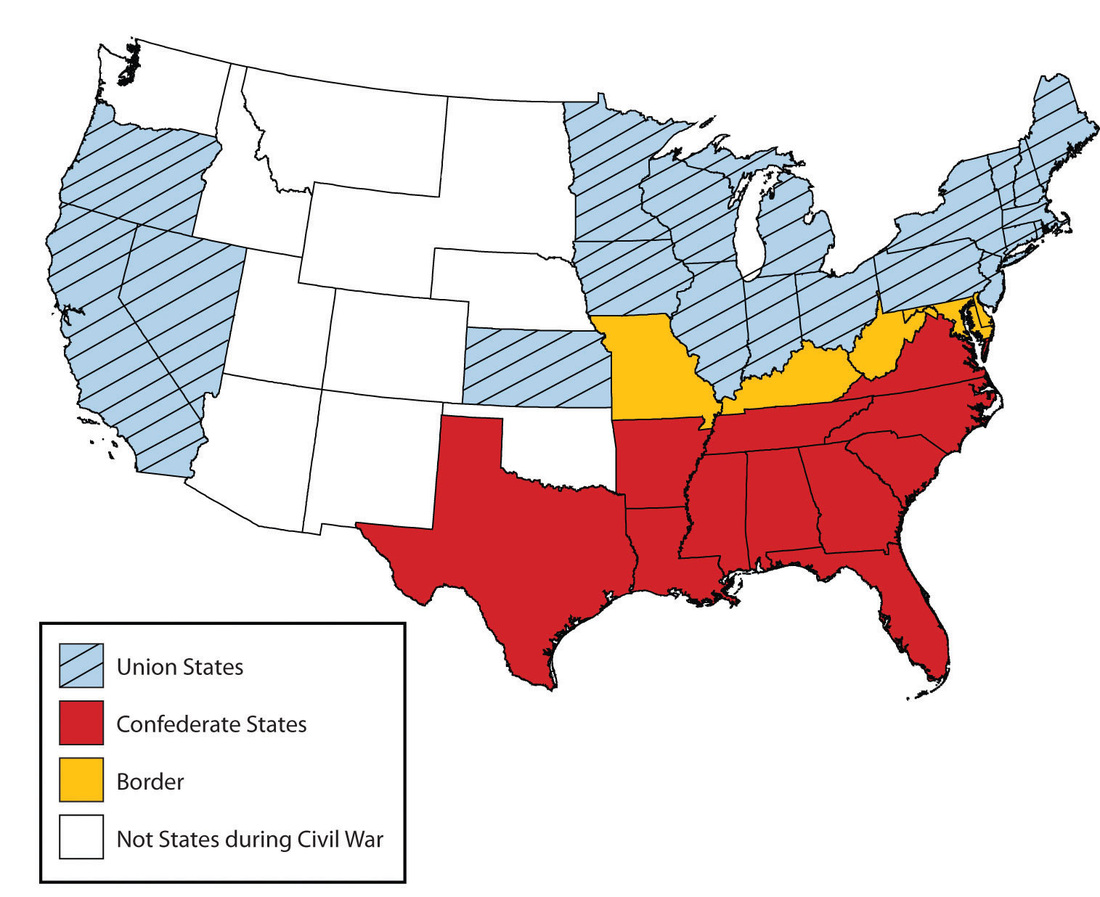
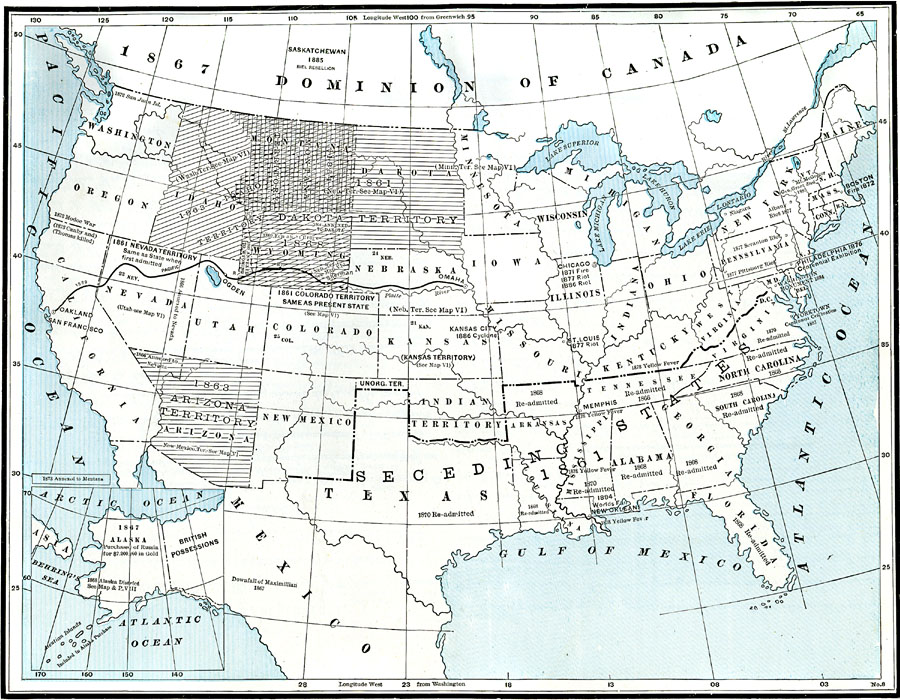
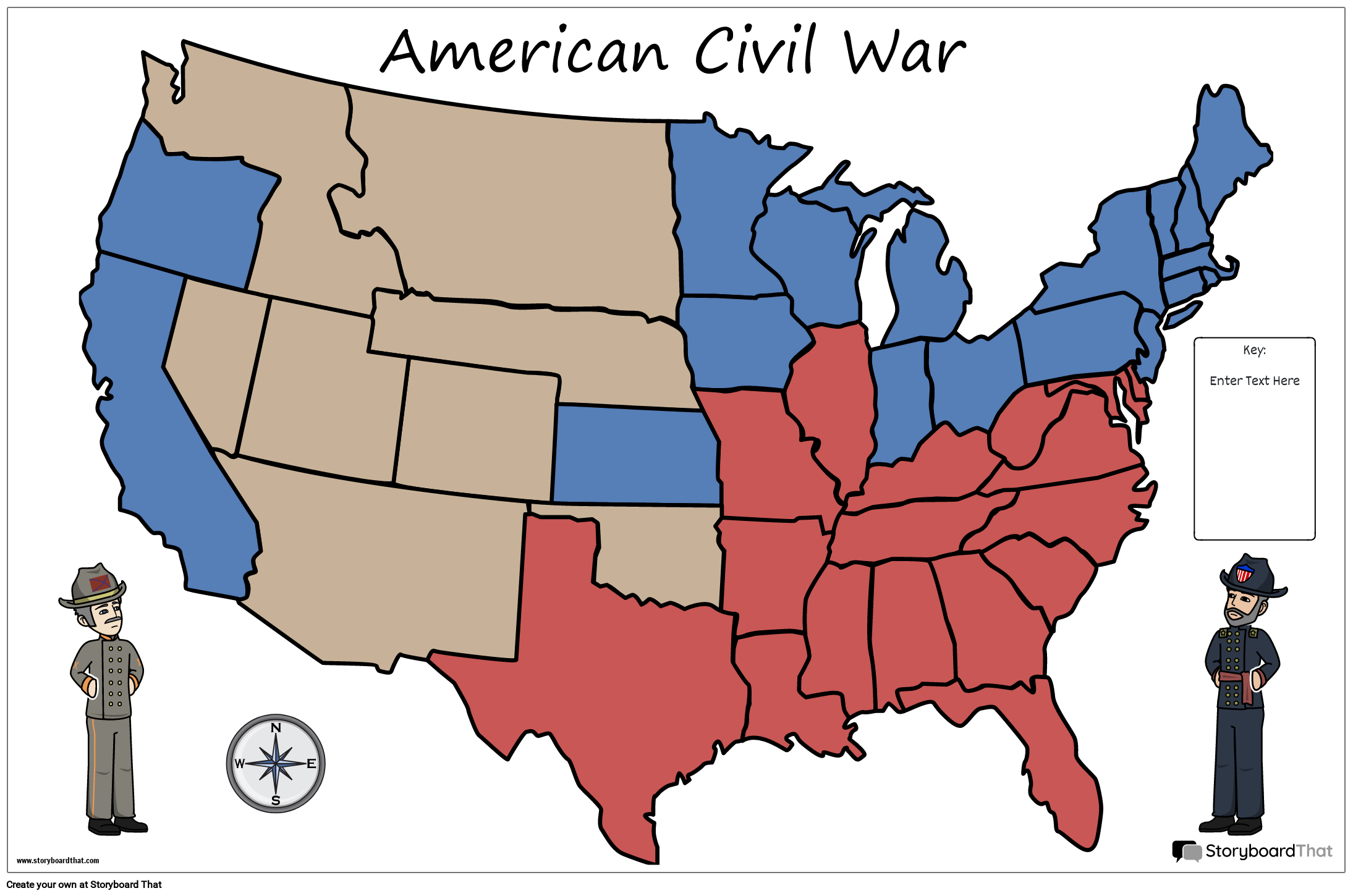
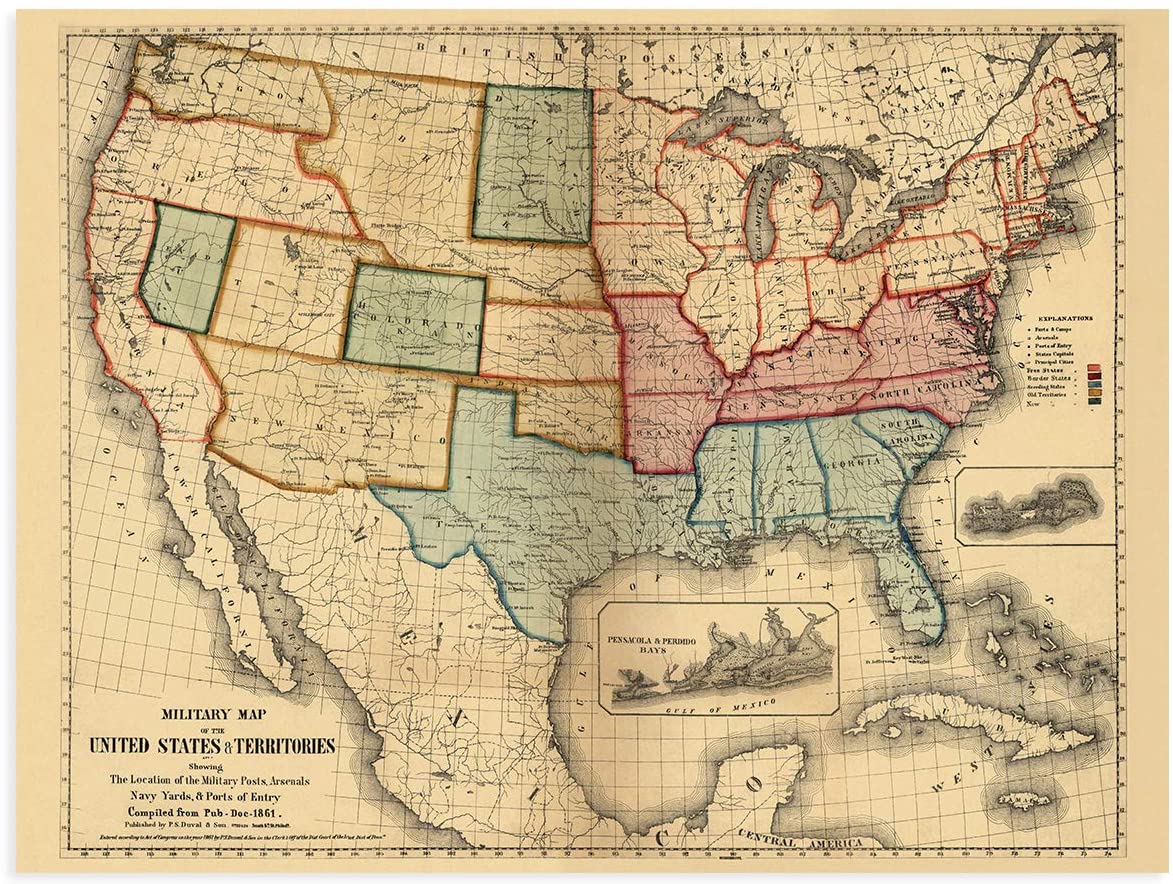
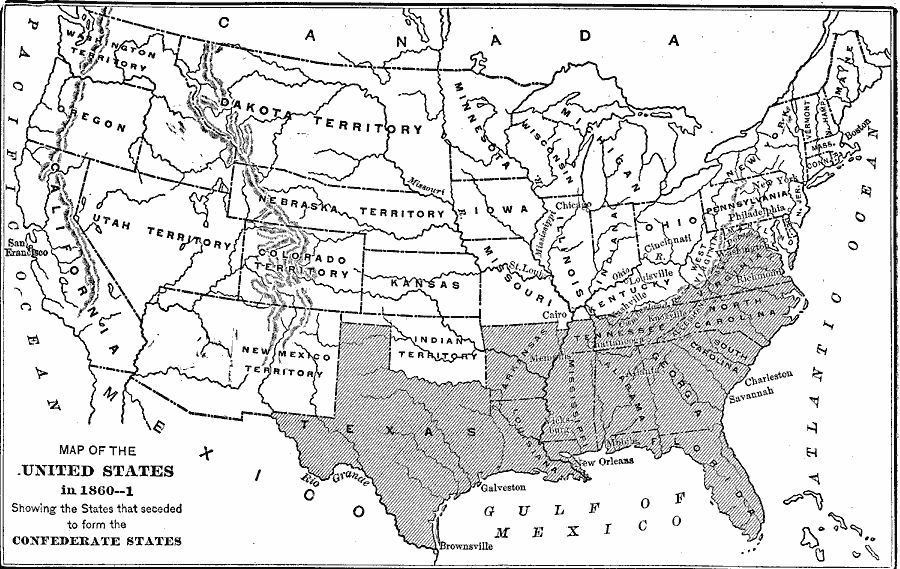
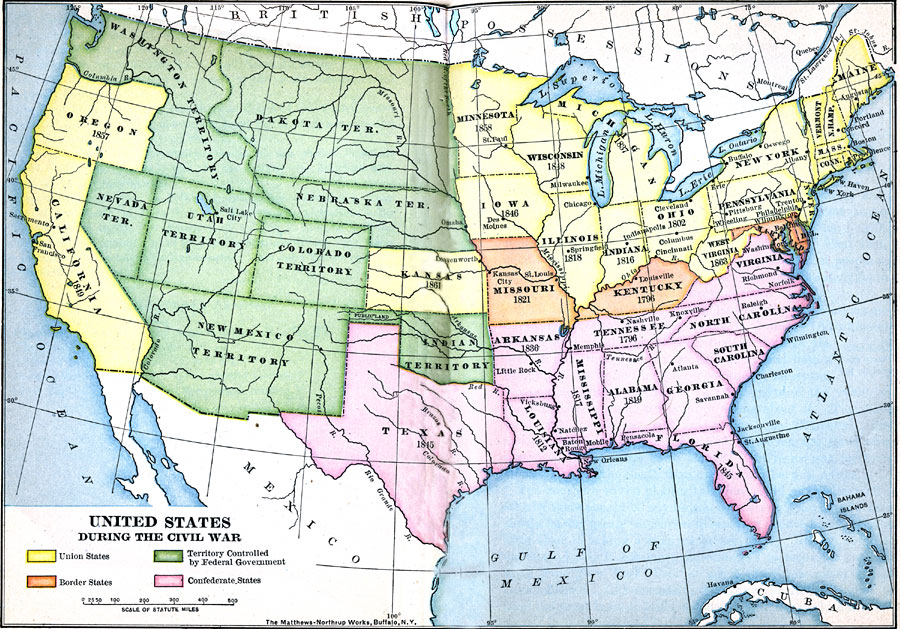
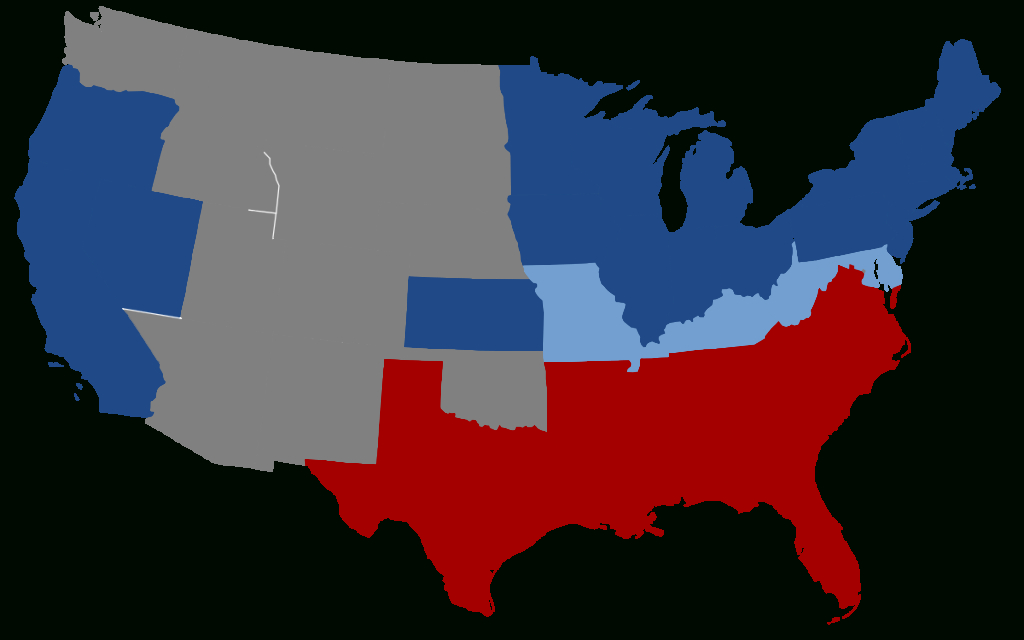
The US map in Civil War primarily showed two distinct territories. The Union comprised the northern and western states. The Confederacy was formed by eleven southern states. These states seceded from the Union, creating their own government. This geographical split was central to the entire conflict. Many factors, like slavery and states' rights, fueled this separation.
Exploring the US Map in Civil War Divisions
The US map in Civil War clearly delineated the battle lines. Northern states, generally industrialized, stood with the Union. Southern states, largely agrarian and reliant on slave labor, formed the Confederacy. This economic contrast was a major driver of the war. Visualizing the map helps us understand troop movements. It shows critical supply routes and strategic locations.
Key States on the US Map in Civil War
Let's consider the important states on the US map in Civil War. The Union included states like New York, Pennsylvania, Ohio, and Illinois. The Confederacy was made up of South Carolina, Mississippi, Florida, Alabama, Georgia, Louisiana, Texas, Virginia, Arkansas, North Carolina, and Tennessee. These states formed the core of the warring factions. Their borders were often sites of intense conflict.
The Crucial Role of Border States in the US Map in Civil War
Border states held immense importance on the US map in Civil War. These were slave states that remained in the Union. Maryland, Delaware, Kentucky, and Missouri were prime examples. West Virginia, formed during the war, also joined the Union. Their allegiance was vital for both sides. These states protected Washington D.C. and major rivers. Their control significantly impacted the war's direction.
| Faction | Key States (Examples) | Characteristics |
| Union | New York, Ohio, Pennsylvania | Industrialized, anti-slavery stance, larger population |
| Confederacy | Virginia, Georgia, Mississippi | Agrarian, pro-slavery economy, states' rights focus |
| Border States | Maryland, Kentucky, Missouri | Slave states, remained in Union, strategically vital |
What Others Are Asking? US Map in Civil War Edition
What states formed the Confederacy on the US map in Civil War?
The Confederate States of America consisted of South Carolina, Mississippi, Florida, Alabama, Georgia, Louisiana, Texas, Virginia, Arkansas, North Carolina, and Tennessee. These eleven states formally seceded from the United States to form their own government, driven primarily by issues surrounding states' rights and the institution of slavery.
Which states were considered border states during the Civil War?
Border states were slaveholding states that remained loyal to the Union. These critical states included Delaware, Maryland, Kentucky, and Missouri. West Virginia, which seceded from Virginia in 1863 to join the Union, is also often considered a border state, playing a pivotal role due to its strategic location.
How did the US map change after the Civil War?
After the Civil War, the US map was officially reunified, ending the Confederacy as a separate entity. The seceded states were reintegrated into the Union, though the process of Reconstruction brought significant social and political changes. The map's internal boundaries remained largely the same, but the nation was once again a single political unit.
What geographical factors influenced the Civil War on the US map?
Geographical factors heavily influenced the Civil War. Rivers like the Mississippi and Ohio were crucial for transportation and military movement. Mountain ranges, such as the Appalachians, provided natural barriers and strategic strongholds. The varied terrain affected battle strategies and supply lines, making control of key areas on the US map vital for both sides.
Why was control of border states so important on the US map in Civil War?
Control of border states was paramount because they served as a buffer between the North and South, protecting the Union capital, Washington D.C. Their populations and resources, though slaveholding, were essential for the Union's strength, and their strategic locations along major rivers and transportation routes provided significant military advantages.
FAQ about the US Map in Civil War
What was the US map in Civil War?
The US map in Civil War depicted a nation divided into the Union (North) and the Confederacy (South). It showed which states allied with each side, highlighting the geographical split that defined the conflict.
Why was the US map in Civil War divided?
The division on the US map in Civil War stemmed from fundamental disagreements over slavery and states' rights. Eleven southern states seceded, believing their sovereignty and economic model were threatened, leading to the formation of the Confederate States.
How did the US map influence Civil War strategy?
The US map in Civil War significantly influenced military strategy. Control of key rivers, ports, and border regions determined troop movements, supply routes, and naval blockades, shaping the course and outcome of numerous battles and campaigns.
Who controlled what on the US map in Civil War?
The Union largely controlled the northern and western territories, including crucial industrial centers and most of the coastline. The Confederacy controlled the southern states, rich in agriculture but with limited manufacturing capabilities, relying on defensive strategies against Union advancements.
Summary of the US Map in Civil War
The US map in Civil War represents a crucial moment in American history. It shows a nation split into the Union and Confederacy, with critical border states influencing the conflict. Understanding these divisions helps us appreciate the war's causes, strategies, and lasting impact on the United States. This geographical perspective offers vital insights into how the nation healed and reunified.
Historical US map in Civil War reveals divided states. Union vs Confederate boundaries were critical. Border states played a significant strategic role. Geographical divisions impacted military campaigns. The US map in Civil War shows a nation fractured. Understanding these divisions is key to history. Political and economic factors shaped these lines. Visualizing the map aids historical comprehension.
Map Of The United States On The Eve Of Civil War 1861 Free States 20390 File US Map 1864 Civil War Divisions Svg Wikimedia Commons US Map 1864 Civil WarFacts Casualties And More The Civil War Ken Burns PBS Civil War Maps Promo
The United States At The Outbreak Of The Civil War 93 Civil War Map Of USA Printable US Maps Dateius Map 1864 Civil War Divisions Svg Wikipedia Civil War Map Of Usa Animated Map Shows The Civil War S Front Lines In 5 Minutes Boing Boing X 2015 11 30 At 12.05.43 PM Quiz US History 1 Civil War Map Diagram Quizlet B
Important Battles Of The Civil War 1ac132b C584 53e3 3453 7300144d58e 00ca9bad 8503 485b 95c2 America S Civil War Game By Ian Boyd F3ea8c68 19a2 49b0 B0fc 723x463 American Civil War Map Stock Vector Adobe Stock 1000 F 43222022 Civil War Template Map Poster 24 Color Landscape American Civil War
Civil War Map Diagram Quizlet 64L B Post Civil War United States 5583 Map Of The American Civil War 1861 1865 World History 21119 United States Civil War 10275
Civil War America Map Blank American Civil War Map Vector 600nw 2600271227 37 Maps That Explain The American Civil War Vox Military What Would A New US Civil War Be Like Boing Boing 8459330503 C4ae1b0ebc B Announcing The New Historical United States Map Blog MapChart United States Civil War Map 1860 1 Scaled
Us Civil War Animated Map America S Wars 1754 1945 Battlefield The Battles Of The U S Civil War The Battles Of The Civil War United States During The Civil War 7726 See How Alex Garland S Civil War Divides The United States
American Civil War Maps And Generals Eastern Theater American Civil War Map Large Map Outset Of The American Civil War 1861 Territories Outset Us Civil War 1861 Map Large Civil War January 2026 Plainly Explained Great Lakes 1861 American Civil War Map Vintage American Civil War Wall Art 22 7
Maps Western Theater American Civil War Map Map With The Union And Confederate States And The Status Of Slavery 1000 F 725086815 Interactive Civil War Battles Map Mobile Bay 37 Maps That Explain The American Civil War Vox ACW01.0