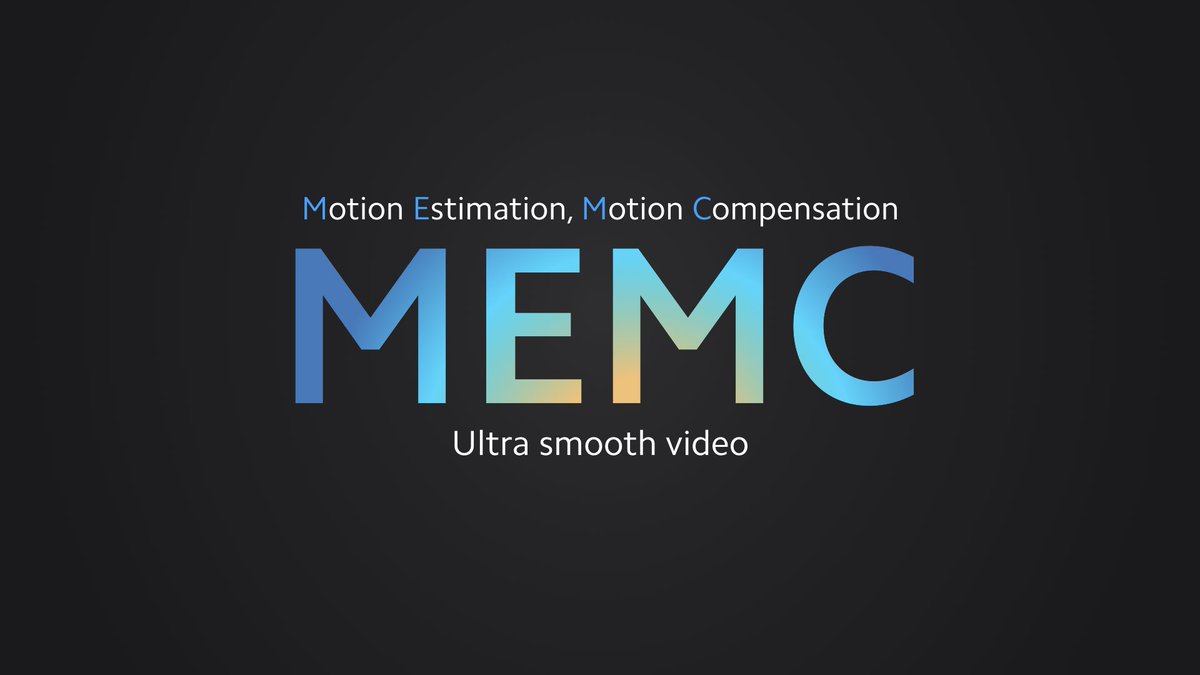
MEMC, or Motion Estimation Motion Compensation, is a feature often found in modern TVs. Gamers in the USA frequently ask if this technology enhances their gaming experience or introduces unwanted issues. This detailed guide explores how MEMC works, its potential benefits for certain types of content, and its significant drawbacks when applied to fast-paced gaming. We will cover input lag, motion smoothing artifacts, and the overall impact on competitive and casual gameplay. Understanding MEMC is crucial for optimizing your display settings and ensuring a truly immersive, responsive gaming session. Discover whether disabling or enabling MEMC is the right choice for you to achieve peak performance. This informational article focuses on "is memc good for gaming" to help you make informed decisions about your display settings for optimal gameplay in the United States.
Is MEMC good for gaming?
Generally, MEMC is not good for gaming. It introduces significant input lag, which delays your controller actions appearing on screen, making games feel unresponsive. Additionally, it can create an artificial "soap opera effect" and visual artifacts, detracting from the intended visual experience of games, especially fast-paced or competitive titles.
Does MEMC cause input lag in games?
Yes, MEMC definitely causes input lag in games. The television's processor needs time to analyze existing frames and interpolate new ones to achieve motion smoothing. This computational process adds a noticeable delay to the video signal, resulting in a lag between your controller input and the action displayed on your screen, which is detrimental to gameplay.
Should I turn off MEMC for gaming?
Absolutely, you should turn off MEMC for gaming. Disabling this feature ensures your television processes game inputs with minimal delay, providing a much more responsive and fluid experience. Turning off MEMC also eliminates the "soap opera effect" and reduces visual artifacts, preserving the game's original visual integrity and enhancing your overall enjoyment.
What is the "soap opera effect" and how does MEMC relate to gaming?
The "soap opera effect" is an overly smooth, artificial appearance caused by motion interpolation like MEMC. In gaming, it makes titles look unnaturally fluid, often losing their intended cinematic or stylistic feel. This effect breaks immersion for many players, making MEMC a feature frequently disabled by gamers to maintain authentic visuals.
How does MEMC affect competitive online gaming?
MEMC severely affects competitive online gaming by introducing critical input lag. In genres where reaction time is paramount, even a small delay can be the difference between winning and losing. Disabling MEMC is essential for competitive players to ensure immediate responsiveness and maintain a fair advantage against opponents.
"Is MEMC good for gaming?" is a common question among US gamers seeking the best visual experience for who wants to know what MEMC is and how it affects gaming. MEMC, or Motion Estimation Motion Compensation, is a technology designed to make on-screen motion appear smoother. While beneficial for films, its impact on interactive gaming is often misunderstood when considering 'is memc good for gaming'. This article dives into what MEMC means for your gameplay. We will explore its mechanics, potential upsides, and significant downsides. By understanding MEMC, you can confidently optimize your display settings. Your gaming setup deserves the clearest, most responsive picture. Let us help you unlock its full potential.
What is MEMC and the Impact on Gaming?
Motion Estimation Motion Compensation, or MEMC, is a display feature found in many modern televisions. It works by analyzing two consecutive frames and then generating new, interpolated frames in between. This process aims to increase the perceived frame rate. The goal is to create a smoother motion effect on screen. For cinematic content, like movies or TV shows, this can reduce motion blur and judder. It enhances the viewing experience by making fast-moving scenes less choppy. However, the critical question remains: "is MEMC good for gaming" given its frame interpolation nature?
The Downside of MEMC for Gaming
While MEMC sounds appealing for smooth visuals, it presents significant drawbacks for gaming enthusiasts. The primary issue is increased input lag. Interpolating frames takes processing time, which delays the signal from your console or PC to the screen. This delay makes your actions feel less responsive. A slight lag can be the difference between victory and defeat in fast-paced games. Another major problem is the "soap opera effect". This visual artifact makes games look unnaturally smooth, losing their intended cinematic feel. MEMC can also introduce visual artifacts, where parts of the image appear distorted or ghosted. This is especially noticeable with rapid movement. Ultimately, these issues often degrade the gaming experience rather than enhance it when discussing 'is memc good for gaming'.
When to Use and When to Avoid MEMC for Gaming
For most gaming scenarios, especially competitive multiplayer, it is strongly recommended to disable MEMC. Prioritizing low input lag and a consistent frame rate is critical for responsive gameplay. You want your button presses to translate instantly on screen. Enabling MEMC introduces an unnecessary delay that hinders performance. Casual single-player games, where visual fidelity is paramount and responsiveness less so, might seem like a candidate. However, even here, the "soap opera effect" and artifacts are generally undesirable. The authentic look and feel of a game are often best preserved without MEMC. So, when asking "is MEMC good for gaming," the answer for most US gamers is a clear no.
MEMC and Gaming Performance Table
| Feature | MEMC ON | MEMC OFF (Recommended for Gaming) |
| Input Lag | Increased, noticeable delay | Minimal, highly responsive |
| Motion Smoothness | Artificially smooth, "soap opera effect" | Native game motion, intended look |
| Visual Artifacts | Possible ghosting, distortions | Clean, clear graphics |
| Competitive Gaming | Detrimental to performance | Optimal for precision and speed |
| Cinematic Look | Altered, less authentic | Preserves developer's artistic vision |
What Others Are Asking? Is MEMC Good for Gaming
Does MEMC cause input lag in games?
Yes, MEMC significantly contributes to input lag in games. The process of motion estimation and compensation requires the TV's processor to analyze frames and generate new ones, which adds a delay between your controller input and the action appearing on screen. This lag can negatively impact gameplay responsiveness.
Should I turn off MEMC for gaming?
For almost all gaming scenarios, it is highly recommended to turn off MEMC. Disabling this feature ensures the lowest possible input lag, providing a more responsive and enjoyable gaming experience. It also prevents the "soap opera effect" and visual artifacts that can detract from gameplay.
What is the "soap opera effect" and how does MEMC relate to gaming?
The "soap opera effect" refers to the overly smooth, artificial look that motion interpolation like MEMC creates. In gaming, it makes games appear less cinematic and can break immersion, giving a peculiar, often undesirable visual style that deviates from the developer's original intent. This effect is a common reason why gamers disable MEMC.
Is MEMC beneficial for watching movies on my gaming TV?
MEMC can be beneficial for watching movies or TV shows, as its intended purpose is to smooth motion and reduce judder in video content. For non-interactive media, the added processing delay is typically negligible, and some viewers prefer the enhanced motion clarity it provides for films.
How does MEMC affect competitive online gaming?
MEMC negatively impacts competitive online gaming by introducing noticeable input lag. In fast-paced competitive titles, every millisecond counts, and any delay between your actions and their on-screen representation can put you at a severe disadvantage. Gamers prioritize responsiveness above all else.
Are there any games where MEMC is acceptable?
While generally not recommended, MEMC might be marginally acceptable in very slow-paced, visually driven puzzle games or turn-based strategy games where input lag is practically irrelevant. However, even in these cases, the "soap opera effect" might still be an aesthetic drawback. Most gamers avoid it entirely.
FAQ About MEMC and Gaming
What is MEMC in the context of gaming?
MEMC stands for Motion Estimation Motion Compensation. It's a TV feature that interpolates frames to create smoother on-screen motion. For gaming, it processes additional frames between actual game frames, often increasing perceived smoothness.
Who benefits from MEMC in general?
Typically, viewers of movies, sports, and regular TV shows benefit from MEMC. It helps reduce motion blur and judder, making cinematic content appear smoother. Gamers, however, generally find it detrimental to their experience.
Why is MEMC generally considered bad for gaming?
MEMC is bad for gaming primarily because it introduces significant input lag. The TV needs time to generate and insert new frames, delaying your controller inputs. It also creates an artificial "soap opera effect" and can cause visual artifacts.
How can I check if MEMC is enabled on my TV?
You can usually check and disable MEMC through your TV's picture settings menu. Look for terms like "Motion Smoothing," "TruMotion," "MotionFlow," "Auto Motion Plus," or similar brand-specific names. Turn these features off for gaming.
Conclusion: Is MEMC Good for Gaming?
When addressing "is MEMC good for gaming," the consensus among US gaming enthusiasts is clear: disable it. While MEMC offers improved motion for movies, its drawbacks for gaming, specifically increased input lag and visual distortions, outweigh any perceived benefits. For responsive, immersive, and competitive gameplay, prioritize low input lag and a display's native frame rate. Adjust your TV settings to ensure MEMC is off in Game Mode. Your precision and enjoyment will thank you. Take control of your gaming experience and leave motion smoothing for your movie nights.
MEMC attempts to smooth motion by inserting interpolated frames. While good for movies, it often creates input lag and visual artifacts in gaming. Most gamers disable MEMC for responsive, lag-free gameplay. The technology is generally detrimental for competitive gaming. Understanding 'is memc good for gaming' is crucial.
35


Top 10 Most Anticipated Games Of 2026 What To Watch Out For GAMES IN 2026 . The Gaming PC You Need To Build For 2026. 2026 XpLa 2026 Video Game Release Dates Post Feature Image . What Is MEMC Display Technology How Does It Work 60 OFF MEMC.webp. TOP 50 BIGGEST NEW Games Coming In 2026 With Crazy NEXT GEN 4K Graphics

AMD Chinese Firm Develop 1000Hz Gaming Monitor 2026 Release World . What Is MEMC List Of Phones With MEMC Its Advantages MEMC Motion Smoothing . Graphics Cards Monitors And More Everything ROG . Top 10 Best Gaming Laptops Of 2026 Next Gen Power Ultimate . Samsung S 500Hz Odyssey G6 OLED Joins Stacked 2025 Gaming Monitor



The Best Gaming Phones For 2026 The Best Gaming Phones For 2025 Hacr . Best Processor For Gaming 2026 Buyer S Guide Best Gaming Monitor For PS5 . The Best Cheap Gaming Laptops For 2026 Ultimate Guide Top 3 Gaming Laptops Of 2026 - The Ultimate Guide . How To Upgrade Your Gaming PC 2026 Edition GadgetMates Bg Intro1 . 3 Best External SSDs For Gaming In 2026 Fast Reliable And Ready To Play Top Gaming External Ssds 3rguk

Best Gaming PCs To Buy In 2024 8ca85 1920 . LEAKED Xbox Prime Next Generation Console For 2026 Xbox Developer . Best Gifts For Gamers For Christmas 2025 Stuff Best Gaming Consoles Hero Image . Best Retro Handheld 2025 My Portable Picks For Playing The Classics . New 2026 Xiaomi 55 4K UHD Google TV Apple Airplay Th 11134208 7ra0p

Xbox Game Pass Already Has Four Extremely Powerful Games Confirmed For Xbox Game Pass 2026 1 . Xbox Game Pass In 2026 The Full List Of Everything Announced So Far Xbox Game Pass In 2026 The Full List Of Everything Announced So Far.900x . Gamescom 2026 All Confirmed Major Game Demos Deltia S Gaming EA FC 26 Pre Order Bonus Leaked For All Editions . TOP 21 NEW Upcoming Games Of 2026 YouTube . New 2026 Xiaomi 75 QLED 4K Google TV A ProApple Airplay Th 11134208 7ra0l

New 2026 Xiaomi 75 QLED 4K Google TV A ProApple Airplay Th 11134208 7ra0u. New 2026 Xiaomi 55 4K UHD Google TV Apple Airplay Th 11134208 7ra0g. New 2026 Xiaomi 55 QLED 4K Google TV A Pro 3 Th 11134208 7ra0n. New 2026 Xiaomi 75 QLED 4K Google TV A ProApple Airplay Th 11134208 7ra0i. Xiaomi TV F Pro 75 2026 Xiaomi Global




Best For Gaming PCs In 2026 Intel AMD Guide Motherboard For Gaming Pcs In 2026.webp. Best BUDGET GPUs Graphics Cards For Gaming In 2025 1080p 1440p 4K . New 2026 Xiaomi 55 QLED 4K Google TV A Pro 3 Th 11134208 7rasg. Best Gaming Chairs In 2025 For Upgraded Comfort Stuff Best Gaming Headset 2023 Lead . It S End Of An Era Samsung S Last Galaxy Note Phones Stop Getting Odyssey 2026 Gaming Monitors