What is the meaning of colors in a US map?
The meaning of **us map colors** varies greatly depending on the map's purpose. They can represent political affiliations, elevation levels, population density, climate zones, or demographic data. Always refer to the map's legend for accurate interpretation. The legend provides the specific key to the colors used.
Why are some states red and others blue on a US map?
On political **us map colors**, red and blue typically represent the dominant political party's leaning in that state. Red commonly signifies states that predominantly vote Republican, while blue indicates states that lean Democratic. This tradition solidified during the 2000 presidential election coverage.
How do you read a colored US map?
To read a colored **us map colors** effectively, first locate the map's legend or key. This legend explains what each color or shade signifies, whether it's elevation, population, or political data. Then, match the colors on the map to their corresponding meanings in the legend to understand the information presented.
What do the different shades of a color mean on a US map?
Different shades of a single **us map color** often indicate varying intensities or quantities of a specific attribute. For example, darker shades of blue might show higher population density or deeper water, while lighter shades represent less intense values. This visual gradient helps illustrate spectrums of data.
What colors are used for US climate maps?
**US map colors** for climate maps often use a range of hues to depict different temperature zones, precipitation levels, or climate types. For instance, greens and blues might show wetter, cooler regions, while yellows, oranges, and reds indicate drier or warmer areas. Specific color choices depend on the map's data focus.
US map colors meaning, political map colors USA, demographic map colors, US state colors, geographic map colors, data visualization US map, United States mapping colors, color coded US map, map legends explainedEver wondered about the vibrant array of US map colors and what they truly signify? Understanding us map colors is more than just appreciating aesthetics. These visual cues are essential tools for navigating complex data about the United States. They help us quickly grasp political landscapes demographic shifts economic trends and environmental patterns. From election results to climate zones us map colors provide instant insights that might otherwise be hidden in raw data. Learning to interpret these colors unlocks a deeper understanding of our nation. This knowledge empowers citizens students and professionals alike to make informed decisions. US map colors are critical for analysis and communication in many fields.
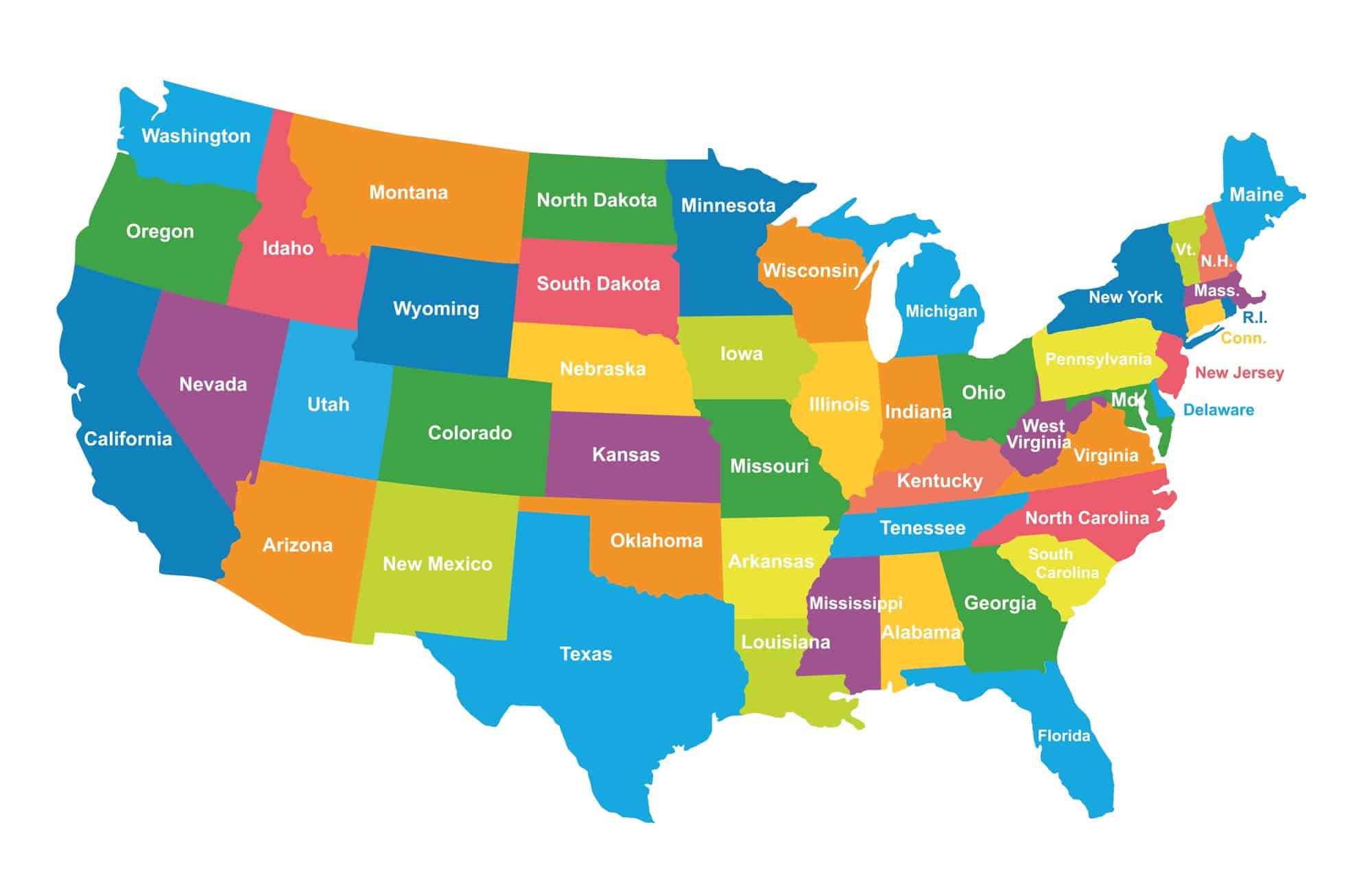
Have you ever looked at a map of the United States and wondered why it features so many different colors? These **us map colors** are not just random decorations. They serve as a crucial visual language to help us understand various aspects of our nation. Maps use colors to quickly convey information about geography politics demographics and more. Understanding **us map colors** empowers anyone from students to policy makers to interpret data effectively. This guide will explore the fascinating world behind these color choices and their profound impact.
Understanding the Language of US Map Colors
What Do Different US Map Colors Represent?
Different **us map colors** hold specific meanings. They help us quickly interpret complex information at a glance. For instance, blue often represents water bodies or Democratic states. Red commonly signifies Republican states or warmer temperatures. These color associations are vital for clear communication across various map types.
The Role of US Map Colors in Political Maps
Political maps frequently use specific **us map colors**. They highlight election results or party affiliations. The familiar red and blue states are prime examples. This color coding instantly shows voting patterns. It helps us understand the political landscape of the United States.
How US Map Colors Illustrate Demographics and Geography
Beyond politics, **us map colors** depict demographic data. Shades might show population density or income levels. Geographically, colors illustrate elevation or land cover. Green for forests, brown for mountains, and yellow for deserts are common examples. These visual cues make data accessible for everyone.
Interpreting US Map Colors with Legends
Why Are Legends Crucial for US Map Colors?
Map legends are indispensable for understanding **us map colors**. They provide the key to deciphering what each color signifies. Without a legend, a map's colors would be meaningless. Always consult the legend to grasp the data presented accurately.
Common Interpretations of US Map Colors
While some **us map colors** have standard uses, context is key. A legend clarifies if green means forest or low population. Always check the legend for precise interpretation. This prevents misreading important geographical or statistical information.
The Impact of US Map Colors on Perception
How Do US Map Colors Influence Our Understanding?
**US map colors** can profoundly influence how we perceive data. Bright colors might draw attention to specific regions or statistics. Subtle gradients can show gradual changes. The choice of colors helps tell a story about the information. It guides our focus and shapes our conclusions.
Creating Effective US Map Colors for Communication
Choosing the right **us map colors** is an art and a science. Effective color palettes ensure clarity and avoid misinterpretation. Designers consider color blindness and cultural associations. The goal is to communicate information efficiently and inclusively. Thoughtful color use enhances understanding.
Table of Common US Map Colors Applications
| Application | Common US Map Colors Used | What It Represents |
|---|---|---|
| Political Elections | Red, Blue, Purple | Republican, Democrat, Swing States |
| Topography / Elevation | Green, Yellow, Brown | Lowlands, Mid-Elevation, Highlands |
| Population Density | Light to Dark Shades of a Single Color | Sparse to Dense Population |
| Climate Zones | Various Hues (e.g., Green, Blue, Yellow) | Specific Climates (e.g., humid, arid, tropical) |
| Water Bodies | Blue, Light Blue | Oceans, Lakes, Rivers |
What Others Are Asking About US Map Colors?
What is the meaning of colors in a US map?
The meaning of **us map colors** varies greatly depending on the map's purpose. They can represent political affiliations, elevation levels, population density, climate zones, or demographic data. Always refer to the map's legend for accurate interpretation. The legend provides the specific key to the colors used.
Why are some states red and others blue on a US map?
On political **us map colors**, red and blue typically represent the dominant political party's leaning in that state. Red commonly signifies states that predominantly vote Republican, while blue indicates states that lean Democratic. This tradition solidified during the 2000 presidential election coverage.
How do you read a colored US map?
To read a colored **us map colors** effectively, first locate the map's legend or key. This legend explains what each color or shade signifies, whether it's elevation, population, or political data. Then, match the colors on the map to their corresponding meanings in the legend to understand the information presented.
What do the different shades of a color mean on a US map?
Different shades of a single **us map color** often indicate varying intensities or quantities of a specific attribute. For example, darker shades of blue might show higher population density or deeper water, while lighter shades represent less intense values. This visual gradient helps illustrate spectrums of data.
What colors are used for US climate maps?
**US map colors** for climate maps often use a range of hues to depict different temperature zones, precipitation levels, or climate types. For instance, greens and blues might show wetter, cooler regions, while yellows, oranges, and reds indicate drier or warmer areas. Specific color choices depend on the map's data focus.
FAQ About US Map Colors
What are US Map Colors?
**US map colors** are visual codes used to represent diverse geographical, political, or demographic information across the United States. They make complex data easily digestible. Colors help in quick understanding of various patterns.
Who uses US Map Colors?
Anyone needing to visualize and understand data about the United States uses **us map colors**. This includes students, educators, researchers, journalists, policymakers, and the general public. They are essential for informed decision-making.
Why are US Map Colors important?
**US map colors** are important because they simplify complex data, enabling rapid comprehension and comparison. They help identify trends, disparities, and geographical features efficiently. This visual communication fosters better understanding.
How are US Map Colors chosen?
**US map colors** are chosen based on the type of data being presented, established conventions (like red/blue for politics), and considerations for readability and accessibility. Designers carefully select palettes to ensure clarity and impact. They aim for effective data storytelling.
In summary, **us map colors** are far more than just visual aesthetics; they are a powerful communication tool. They transform raw data into understandable insights, from political leanings to geographic features. Always remember to consult the map's legend. This ensures accurate interpretation of the colors you see. By understanding the language of map colors, you gain a deeper appreciation for the rich diversity and complexities of the United States. Keep exploring and learning from these colorful guides!
Understanding diverse uses of us map colors for data visualization. Interpreting political demographic and geographic representations. The importance of legends in comprehending us map colors meanings. How us map colors impact public perception and analysis. Tools and software for creating custom us map colors maps.


Introducing The 2026 Senate Interactive Map 270TOWIN Incumbent 2026 270TOWIN Preliminary 2026 Outlook 2026 270TOWIN Blank 2026 US Color In A Colorful Journey Across America Usa With All States Vector 23760237 Early 2026 Predictions Based On Latest Poll Data.


Electoral Vote Com 2026 Map 2026 United States Elections TRUSA Wiki 1200PX 2026 Senate When Are The 2026 Usa America Colors Stock Vector Royalty Free Of In Rainbow Spectrum With State Names 1518696116 Printable Color US Maps To Print And Includes At.


File 2026 United States Senate Elections Retirements Map Svg Wikipedia 320PX 2026 Former Arhet 350PX 2026 US House Zypherism 2026 Sabato S Crystal Ball 2025 2026 Wikiwand 600PX 2026 Of Or Losses Large Color Coloring 175437N 1541.


Bright Rainbow Color United States Map US Canvas Family Travel Il QY4Y Coding At Nathan Lozano Blog Four Colors Wallpaper Cave WP6649858 Electoral Vote Com 2026 Senate Maps To Print And Includes State Names Clipart From.


Every 2026 Color Of The Year So Far Taite Floor 2026 Featured Image 2026 Senate Sabato S Crystal Ball MAP4 Colors 2026 Meaning Feng Shui Guide And How To Use Them COLORS2026 2026 By Coloro WGSN Eclectic Trends Captura De Pantalla 2024 A Las 2026 Swatches Featuring Classic Blue For 2026 2025 2026 Selected New Season Trendy Palette.


2026 House Election Forecast Maps 270TOWIN Consensus 2026 Benjamin Moore S 2026 Color Of The Year Is A Warm Neutral 1017 Every 2026 So Far Taite Floor Behr Over Years 2026 Image 2026 Ford Super Duty Gets New Colors Autobazar Us 2026 Exterior Bowen Scarff Pro Superduty.


Map Usa United States America Colors Stock Vector Royalty Free 1526706605 Of In Rainbow Spectrum With State Names 1526706605 Color Coding Us At Nathan Lozano Blog Simple Bright Political 28182668 Spring 2026 Trends From Pantone NYFW Bay Area Fashionista 2026 Activar Autocad 2025 Polls 2026 Midterms Image 2026 The Year Picks Paint Companies So Far Postcards 2026 All Major Brands.