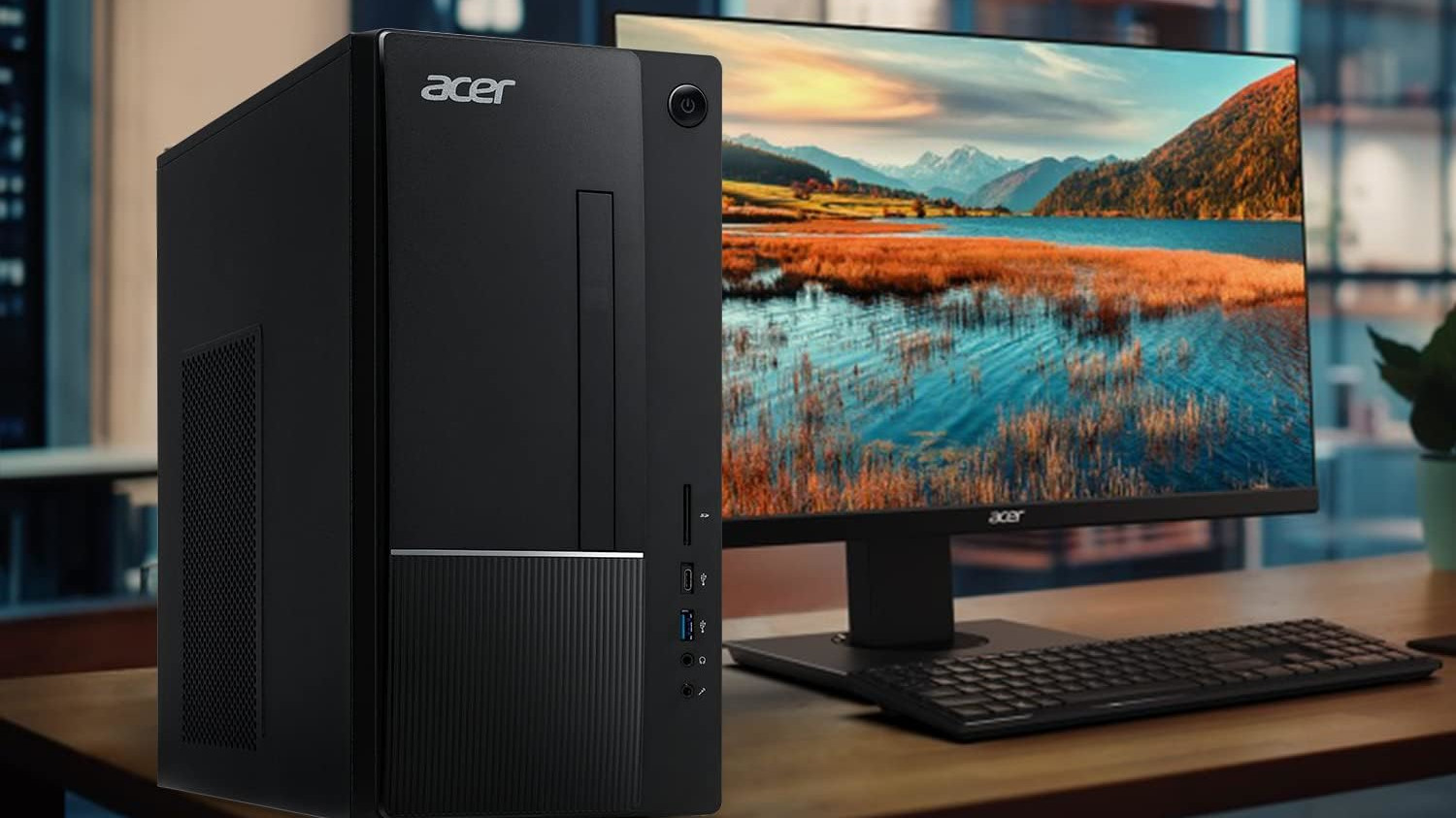
Navigating the world of personal computers, whether you are a first-time buyer or a seasoned enthusiast looking for an upgrade, can feel overwhelming with the sheer number of options available. This comprehensive guide simplifies the process of buying a PC, transforming confusion into clarity. We will empower you to make an informed decision, ensuring your new machine perfectly aligns with your lifestyle, work demands, and entertainment desires. From understanding core components like processors and graphics cards to weighing the benefits of prebuilt systems versus custom-built powerhouses, we cover everything you need to know. Discover how to identify reliable retailers, pinpoint the best time for your purchase, and set a realistic budget. This article aims to be your trusted companion, offering actionable insights and a clear path to owning a PC that not only meets but exceeds your expectations, setting you up for success in every digital endeavor. Get ready to embark on a journey that culminates in the perfect computing solution for you.
Are you wondering, What kind of PC should I buy? Many people ask this very question when they consider investing in a new computer. Whether you are a student preparing for academic challenges, a creative professional tackling demanding projects, a passionate gamer seeking immersive experiences, or simply someone who enjoys browsing the internet and staying connected, understanding the intricate landscape of personal computers is vital. Deciding to get a new machine involves more than just picking the first shiny box you see. You are investing in a tool that will empower your daily life, shape your productivity, and redefine your entertainment. This guide helps you determine who benefits most from different PC types, what key components matter, when the best time to purchase might be, where to find reliable deals, why certain specifications are crucial, and how to confidently navigate the entire buying a PC process to ensure you choose the perfect digital companion for your unique needs and aspirations. Lets explore the pathway to your ideal computer, ensuring you feel confident and excited about your next big tech acquisition.
Unlocking Your Perfect PC: Why Buying a PC Matters
Purchasing a new PC is a significant decision that profoundly impacts your daily interactions with technology. It is not merely about acquiring a device; it is about empowering yourself with a tool designed to enhance productivity, fuel creativity, and deliver unparalleled entertainment. A well-chosen computer can streamline your workflow, allowing you to complete tasks faster and with greater efficiency, whether you are editing high-resolution videos, crunching complex data, or managing a small business. For students, it means seamless research and project completion; for gamers, it translates into breathtaking graphics and lag-free gameplay. The right PC transforms challenges into opportunities, making demanding applications run smoothly and ensuring your digital life is not just functional but genuinely enjoyable. Embracing this purchase means investing in your future capabilities, setting the stage for greater achievements and richer experiences. Consider this journey as an exploration of possibilities, where each component choice brings you closer to a device perfectly tailored for your unique digital footprint and ambitions.
What Kind of PC Are You Buying? Understanding Your Options
When you embark on the adventure of buying a PC, you quickly realize the market offers a diverse array of choices, each designed to cater to specific user preferences and requirements. Understanding these fundamental categories empowers you to narrow down your options and focus on what truly matters for your individual situation. Do you value raw power and upgradeability, or is portability your top priority? Do you prefer a machine that is ready to go right out of the box, or do you relish the idea of customizing every single detail? Exploring the distinctions between prebuilt systems, custom-built machines, and the fundamental differences between desktops and laptops forms the bedrock of an informed buying decision. Each category presents unique advantages and potential drawbacks, and recognizing these helps you align your expectations with the realities of what each type of PC offers, ensuring satisfaction with your ultimate choice.
Prebuilt vs. Custom-Built PCs: Buying a PC Simplified
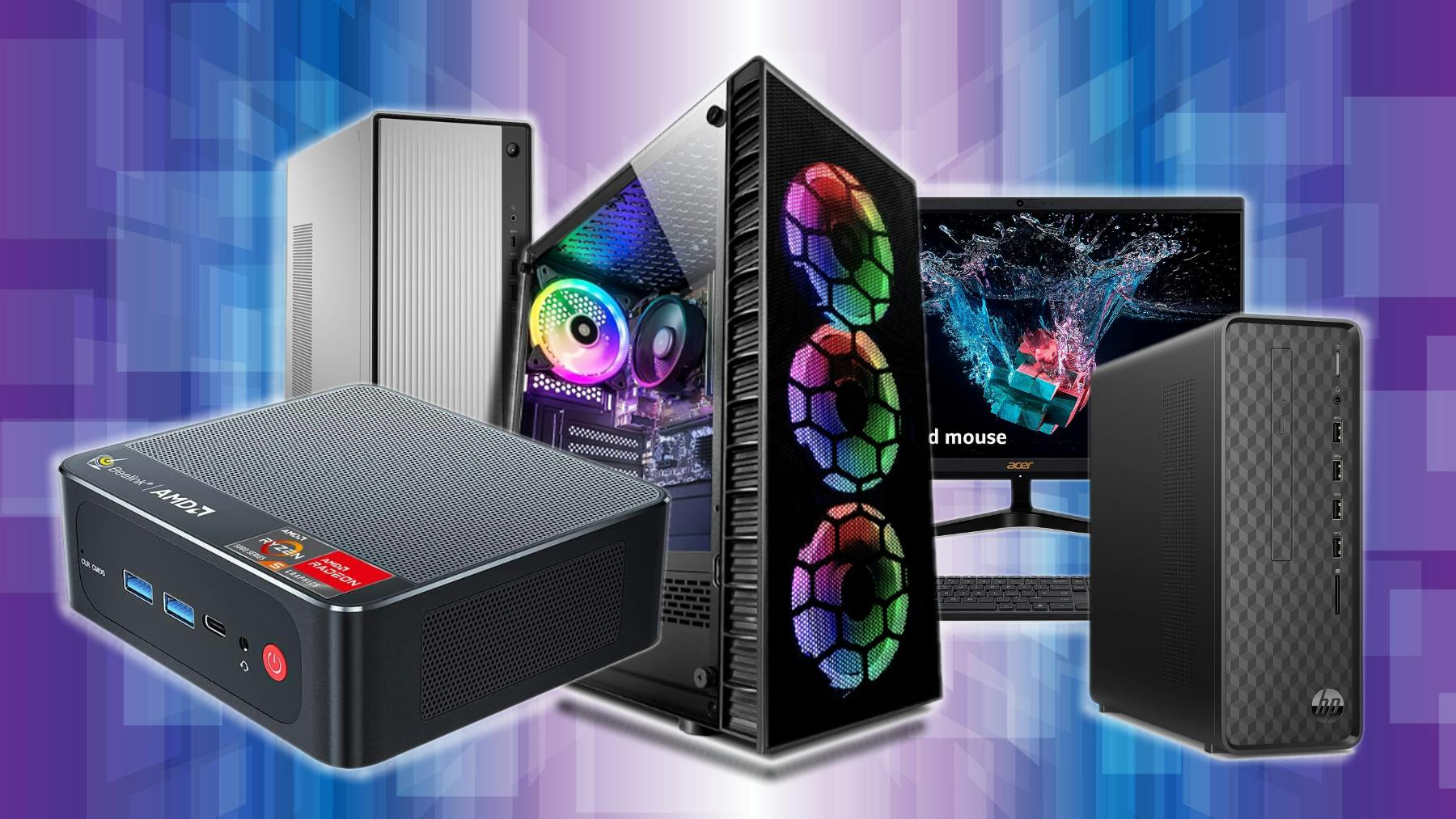
The choice between a prebuilt PC and a custom-built system represents a fundamental fork in the road when buying a PC, each path offering distinct advantages. A prebuilt PC arrives ready to use, often backed by a single manufacturers warranty and streamlined support. These systems are ideal for users who prioritize convenience, want to avoid the complexities of component selection and assembly, and are comfortable with a configuration chosen by experts. They are frequently available during sales events, potentially offering excellent value for money. However, prebuilts might come with proprietary parts, limit future upgrade options, or include unnecessary software (bloatware). Conversely, a custom-built PC, assembled from individually selected components, offers unparalleled personalization and performance optimization. You handpick every part—from the CPU to the case—ensuring each component meets your exact needs and budget. This approach provides maximum control, often better value per dollar, and superior upgradeability. The trade-off is the need for technical knowledge, the time commitment for research and assembly, and managing multiple component warranties. Weighing these factors carefully will guide you to the option that best suits your technical comfort level and desire for control.
Desktop PCs vs. Laptops: Buying a PC for Mobility or Power
Another crucial decision in your buying a PC journey involves choosing between a desktop computer and a laptop, a choice that largely hinges on your lifestyle and usage patterns. Desktop PCs, often synonymous with raw power and expandability, are the champions of static workspaces. They excel in performance-intensive tasks like high-end gaming, professional video editing, and complex simulations, thanks to their larger form factors that accommodate more robust cooling systems and full-sized components. Desktops also offer superior upgradeability, allowing you to swap out components like graphics cards, RAM, and storage with relative ease, prolonging the life of your investment. However, they lack portability and require external peripherals like a monitor, keyboard, and mouse. Laptops, on the other hand, prioritize mobility and convenience. They integrate all necessary components into a compact, portable shell, making them perfect for students, professionals on the go, or anyone needing computing power away from a fixed desk. While modern laptops offer impressive performance, they typically come at a premium for equivalent desktop specs, have more limited upgrade options, and can face thermal throttling during sustained heavy loads. Your decision here boils down to whether ultimate power and future-proofing or flexibility and portability are more essential for your computing habits.
How to Choose the Right Components When Buying a PC
Understanding the individual components that comprise a PC is like learning the building blocks of a sophisticated engine; each part plays a critical role in the machines overall performance. When buying a PC, delving into the specifics of processors, graphics cards, memory, and storage might seem daunting, but it is an incredibly empowering step. This knowledge allows you to move beyond marketing jargon and make choices based on genuine utility and performance. You are not just buying a collection of parts; you are assembling a system tailored to your specific demands. By grasping what each component does and how it interacts with the others, you gain the confidence to invest wisely, ensuring your PC delivers the experience you expect, whether it is blazing-fast gaming, seamless multitasking, or efficient content creation. Lets break down these essential elements, making sense of the technical specifications that define your next computers capabilities.
Processor (CPU): The Brain of Your Buying a PC Decision
The Central Processing Unit, or CPU, serves as the brain of your computer, executing instructions and performing calculations that drive every task. When buying a PC, your choice of CPU profoundly impacts the systems overall responsiveness and its ability to handle demanding software. Intel and AMD are the primary manufacturers, each offering various product lines like Intels Core i3, i5, i7, i9, or AMDs Ryzen 3, 5, 7, 9. Higher numbers generally indicate more powerful processors, often featuring more cores and threads, which enhance multitasking capabilities. For basic web browsing and office work, a mid-range i3 or Ryzen 3 is usually sufficient. If you engage in gaming, content creation, or heavy multitasking, an i5/Ryzen 5 or i7/Ryzen 7 provides a significant boost. Professionals working with 3D rendering, video editing, or scientific simulations often benefit most from an i9 or Ryzen 9, which offer top-tier performance. Consider the clock speed, core count, and generation number, as newer generations typically provide better performance per core and improved efficiency, ensuring your PC stays relevant longer.
Graphics Card (GPU): Visuals for Your Buying a PC Experience
The Graphics Processing Unit, or GPU, is the specialized component responsible for rendering images, videos, and animations on your screen. It is arguably the most critical component for anyone focused on gaming, video editing, graphic design, or 3D modeling when buying a PC. GPUs come in two main types: integrated and dedicated. Integrated GPUs are built directly into the CPU and share system memory, offering basic graphical capabilities suitable for everyday tasks, web browsing, and light multimedia consumption. They are cost-effective and energy-efficient, making them common in budget laptops and office desktops. Dedicated GPUs, from manufacturers like NVIDIA (GeForce series) and AMD (Radeon series), are separate, powerful processors with their own dedicated video memory (VRAM). These are essential for demanding applications that require high frame rates, detailed graphics, or complex visual computations. The more powerful the GPU, the smoother and more realistic your visual experiences will be. Factors like the amount of VRAM, the specific model name (e.g., RTX 4070, RX 7800 XT), and the GPUs generation significantly influence its performance. Matching your GPU to your intended use ensures you get the visual fidelity and speed you need without overspending.
RAM (Memory): Multitasking Power for Your Buying a PC
Random Access Memory (RAM) serves as your computers short-term memory, temporarily storing data that the CPU needs to access quickly. It is where your operating system, active applications, and current files reside while in use. When buying a PC, the amount and speed of RAM directly impact your ability to multitask and how smoothly applications run. For general use, like browsing the internet, checking emails, and light office work, 8GB of RAM is generally the minimum recommended. Stepping up to 16GB significantly improves performance for users who open many browser tabs, work with multiple applications simultaneously, or engage in moderate gaming. For serious gamers, video editors, graphic designers, or anyone running virtual machines and complex software, 32GB or even 64GB of RAM can be highly beneficial, preventing bottlenecks and ensuring a fluid experience. RAM speed, measured in MHz, also contributes to overall system responsiveness, though the amount usually has a more noticeable impact for most users. Look for DDR4 or the newer DDR5 modules, ensuring compatibility with your chosen motherboard and CPU.
Storage (SSD/HDD): Speed and Space for Your Buying a PC
Storage is where your operating system, programs, and all your files—documents, photos, videos, and games—permanently reside. The type of storage you choose significantly influences your PCs boot times, application loading speeds, and overall responsiveness when buying a PC. Solid State Drives (SSDs) are the modern standard, offering vastly superior speed compared to traditional Hard Disk Drives (HDDs). SSDs use flash memory, providing rapid data access, quick boot-ups, and snappy application launches. NVMe SSDs, which connect via the PCIe interface, are the fastest type, offering incredible speeds ideal for your operating system and frequently used applications. SATA SSDs are also much faster than HDDs but slightly slower than NVMe. HDDs, while slower, offer a much lower cost per gigabyte, making them suitable for mass storage of large files like video archives, photo libraries, or extensive game collections where speed is not the absolute priority. A common and highly recommended setup is a smaller NVMe or SATA SSD (256GB-1TB) for the operating system and essential programs, combined with a larger HDD (1TB-4TB or more) for bulk data storage. This hybrid approach gives you the best of both worlds: speed where it matters most and ample, affordable space for everything else.
Power Supply (PSU): The Unsung Hero of Your Buying a PC
Often overlooked, the Power Supply Unit (PSU) is a critical component that delivers electricity to every part of your PC. It is not glamorous, but its reliability and efficiency are paramount to the stability and longevity of your entire system, especially when buying a PC. A PSU that is too weak or of poor quality can lead to system instability, crashes, and potentially damage other components. When choosing a PSU, consider its wattage (how much power it can supply), its efficiency rating (like 80 Plus Bronze, Gold, Platinum, or Titanium), and its modularity. Calculate your systems total power draw (there are many online PSU calculators) and then select a PSU with a wattage comfortably above that, typically by 20-30%, to allow for future upgrades and efficient operation. A higher 80 Plus rating means the PSU converts AC power to DC power more efficiently, wasting less energy as heat and saving you money on electricity bills over time. Modular PSUs allow you to connect only the cables you need, improving airflow and making cable management much easier inside your case. Investing in a reputable brands PSU with a good warranty is a wise decision that protects your entire investment.
When to Buy a PC: Timing Your Purchase
The timing of your PC purchase can significantly impact the value and the cutting-edge nature of the technology you acquire. Just like any major electronics purchase, the PC market experiences cycles of new product releases, seasonal sales, and holiday discounts. Knowing when to strike can secure you a better deal or a more advanced machine for your budget. Generally, late fall and early winter—leading up to Black Friday, Cyber Monday, and the holiday season—are prime times for discounts across all categories of PCs and components. Back-to-school sales in late summer can also offer compelling deals, particularly on laptops. Additionally, keep an eye on major technology events like CES (Consumer Electronics Show) or product launch announcements from Intel, AMD, and NVIDIA. New component generations often mean that prices on previous-generation hardware drop, offering excellent performance at a reduced cost. If you are not chasing the absolute latest and greatest, waiting for these dips can be a smart strategy. Conversely, if you need a PC immediately for work or school, do not delay too long; the best deal is often the one that fulfills your needs when you have them. Balance the desire for a deal with your actual requirement for a functioning computer, making your buying a PC decision both timely and strategic.
Where to Buy a PC: Reputable Retailers and Builders
Choosing where to purchase your PC is just as important as selecting the right components. The retailers reputation, customer service, return policies, and warranty support can greatly influence your overall buying a PC experience. Large online retailers such as Amazon, Best Buy, Newegg, and Walmart offer vast selections, competitive pricing, and often provide detailed customer reviews that can be incredibly helpful. These platforms are convenient and typically have robust shipping and return processes. For custom-built PCs, dedicated system integrators like Origin PC, Falcon Northwest, iBUYPOWER, and CyberPowerPC offer personalized configurations, professional assembly, and comprehensive warranties, albeit often at a higher price point than building it yourself. Direct-from-manufacturer purchases, like from Dell, HP, or Apple, can also be a good option, providing direct support and exclusive deals. Local computer stores, while perhaps having a smaller inventory, can offer personalized advice, immediate service, and a hands-on experience, which many customers appreciate. Before making a final decision, always research the retailers customer service track record, review their warranty and return policies, and check for any ongoing promotions. A reliable source ensures peace of mind and support long after your purchase.
What is Your Budget for Buying a PC?
Establishing a clear budget is perhaps the most critical initial step when you are buying a PC, as it sets the practical boundaries for your component choices and overall system capabilities. PCs range from a few hundred dollars for basic models to several thousand for high-end gaming or professional workstations. A realistic budget allows you to prioritize features and performance where it matters most for your intended use. For instance, if your primary activities involve web browsing, email, and word processing, a budget of $500-$800 can secure a perfectly capable machine. If you are a casual gamer or a student needing more horsepower for specific applications, $800-$1500 opens up significantly more options, including dedicated graphics cards and faster processors. Enthusiast gamers, content creators, and professionals requiring peak performance for demanding tasks should generally expect to invest $1500 or more, potentially reaching several thousand dollars for top-tier components. Remember that your budget should also account for essential peripherals like a monitor, keyboard, mouse, and operating system if they are not included. Allocating your funds wisely means striking a balance between performance, features, and cost, ensuring you get the best possible machine without overspending on features you do not need, making your buying a PC decision a truly smart one.
| Budget Range | Primary Use Cases | Expected Performance | Key Components to Expect |
|---|---|---|---|
| $300 - $600 | Web browsing, email, word processing, basic streaming, light schoolwork. | Entry-level, sufficient for everyday tasks. | Intel Core i3/AMD Ryzen 3, 8GB RAM, 256GB SSD, Integrated Graphics. |
| $600 - $1000 | Student use, general home computing, casual gaming, light content creation. | Mid-range, good for multitasking and some demanding apps. | Intel Core i5/AMD Ryzen 5, 16GB RAM, 500GB SSD, Entry-level Dedicated GPU (e.g., GTX 1650/RX 6400). |
| $1000 - $1500 | Gaming (1080p/1440p), advanced schoolwork, professional productivity, video editing. | Strong performance for most tasks and modern games. | Intel Core i5/i7, AMD Ryzen 5/7, 16-32GB RAM, 1TB NVMe SSD, Mid-range Dedicated GPU (e.g., RTX 3060/RX 6700 XT). |
| $1500 - $2500+ | High-end gaming (1440p/4K), professional content creation (4K editing, 3D rendering), streaming. | Excellent performance, future-proof for several years. | Intel Core i7/i9, AMD Ryzen 7/9, 32GB+ RAM, 1TB+ NVMe SSD, High-end Dedicated GPU (e.g., RTX 4070/RX 7800 XT and higher). |
Tips for a Smooth Buying a PC Experience
Embarking on the journey of buying a PC is exciting, and with a few smart strategies, you can ensure a smooth, satisfying experience from start to finish. First, always prioritize compatibility: ensure your chosen CPU works with your motherboard, and your power supply can handle all components. Mismatched parts can lead to frustrating setup issues or even system failure. Second, read reviews! Extensive user and expert reviews offer invaluable insights into real-world performance, common issues, and customer satisfaction. Sites like PC Gamer, Toms Hardware, or YouTube tech channels provide in-depth analyses. Third, consider the warranty and customer support offered by both the component manufacturers and the retailer or system builder. A robust warranty and accessible support can be lifesavers if something goes wrong. Fourth, think about future-proofing. While you do not need the absolute latest and greatest, choosing components that have a little headroom (e.g., slightly more RAM than you currently need, a motherboard with extra upgrade slots) can extend your PCs useful life without requiring immediate upgrades. Finally, do not forget the operating system and essential software; factor these into your budget. By following these practical tips, you will not only make an informed decision but also enjoy a seamless transition into your new digital world, making buying a PC a truly rewarding endeavor.
Ultimately, buying a PC is a deeply personal decision, and there is no one-size-fits-all answer. The perfect computer for you is one that aligns with your specific needs, respects your budget, and excites you every time you power it on. Embrace the process, ask questions, and empower yourself with knowledge. This guide has equipped you with the insights to navigate the complexities, from understanding core components like the CPU and GPU to choosing between prebuilt convenience and custom-built power. Remember to weigh the pros and cons of desktops versus laptops based on your mobility requirements and to time your purchase for the best value. With careful consideration and a clear understanding of your priorities, you are now well-prepared to make an intelligent, confident choice that will serve you well for years to come. Your ideal PC awaits, ready to transform your digital experiences and help you achieve more.
Keywords: buying a pc, gaming pc, custom pc, prebuilt pc, computer components, cpu, gpu, ram, ssd, hdd, pc budget, best computer, laptop guide, desktop setup, pc upgrade, computer deals, pc building, tech guide
Customization options, budget considerations, future-proofing your investment, performance benchmarks, and various form factors are crucial aspects when buying a PC. Understanding your specific needs for a processor, graphics card, RAM, and storage will guide your decision towards a prebuilt desktop, a custom-built workstation, or a portable laptop. Choosing reputable retailers and recognizing peak buying seasons also significantly enhances the overall buying experience and value.
Insider Tips For Buying A New Personal Computer Tech News Vision Computer Shoppers Desktop Computer Buying Guide Computer Buying Guide 8 Best Gaming PCs For 2026 Ultimate Buyer S Guide The Budget Gaming Pc 2026.webp
I Ve Been Building PCs For 20 Years Now I D Just Buy A Gaming Laptop 320 80 Best Budget PCs 2024 Affordable Desktop Computers Windows Central Buying Computers Computer Buying Guide Intro Image Top 5 BEST Desktop Computers In 2024 YouTube
Should I Wait To Buy A PC 2026 Hq720 The Ultimate Guide To Buying A New PC The Ultimate Guide To Buying A New Pc What You Should Look For When Buying A PC 512x288 Building A New Desktop PC Computer In 2024 HomeSpace NZ New Zealand Building New Desktop Pc Computer In 2024
AI PCs Will Take Over The Enterprise By 2026 Gartner CIO DiveBuying Computers Computer Buying Guide Image 2025 Vs 2026 MacBook Pro Comparing The Upcoming M5 And M6 Models 2026 MacBook Pro Rumors 1024x538 What To Look For When Buying A Desktop Computer In 2026 NSW IT Support Infographic On How To Purchase Desktop Computer
Valve Enters Console Market Again With Steam Machine A New PC Console Steam Machine Best Budget PCs 2024 High Tech Sleek Reliable PCs Untitled Design 2023 09 Things To Consider When Getting A New Computer NOVA Buying A New Computer When To Buy A Laptop Now Is A Great Time To Get A PC On Sale Mashable Images
Best Gaming Pcs At Best Buy 8ca85 1920 8 Best Gaming PCs For 2026 Ultimate Buyer S Guide Best Gaming Pc 2026 The BalancedPC Buying Guide For Businesses In 2023 DqIndia Tech4Growth PC Buying Guide For Businesses In 2023 The Complete Buyer S Guide Everything You Need To Consider Before Image 750x
The Top 5 Things To Look For When Buying A New Computer Webafrica Blog Buy New Computer What To Look For Apple Plans Major MacBook Pro Redesign For 2026 With OLED Display M6 Apple Plans Major MacBook Pro Redesign For 2026 Buying PC Parts In 2023 The Practical Guide PCWorld Pc Buiying Advice With Oz Why This Is The Best Time In Years To Buy A New Computer Q1
When To Buy A Laptop Best Times To Buy A New PC Mashable Images 2.fill.size The PC Market Is Finally Growing Again With 2024 Projected To See An 8 Expert Advice Buying A New Computer How To Buy A Computer PC Best Budget PCs 2024 High Tech Sleek Reliable PCs Untitled Design 2023 09
Building A New PC In 2024 Pc Build 2024 2 720w Computer Buying Guide 2021 Points To Consider Before Buying A Desktop