Many individuals grappling with mental health challenges often find themselves asking, Are SSRI antidepressants safe? This question resonates deeply, stirring curiosity and sometimes apprehension about a class of medications frequently prescribed for conditions like depression and anxiety. What exactly are these Selective Serotonin Reuptake Inhibitors, and how do they function within our complex brain chemistry to help regulate mood and ease overwhelming distress? Understanding the fundamental mechanics of SSRIs is the first step in addressing their perceived safety. When might a healthcare professional recommend starting SSRI treatment, and what are the crucial benefits and potential risks that one must consider before embarking on such a journey? This comprehensive guide aims to thoroughly explore the pivotal aspects of SSRI safety, delving into their proven effectiveness in clinical settings, the range of common side effects individuals might experience, important considerations for their long-term usage, and what a person can realistically expect throughout their treatment process. We will uncover the intricate ways these medications interact with the body and mind, empowering you with knowledge to make informed decisions. Discover why millions worldwide rely on SSRIs as a vital tool in their mental health toolkit and what essential precautions are necessary for navigating their use responsibly and effectively. Your well-being is paramount, and understanding your options is key.
Many people frequently wonder, Are SSRI antidepressants safe? This is a profoundly important question for anyone considering or currently taking these widely prescribed medications. What exactly are Selective Serotonin Reuptake Inhibitors (SSRIs), and who typically benefits from them? When is the appropriate time to explore SSRI treatment, and why have they become such a cornerstone in managing conditions like depression and anxiety? How do these medications actually work to improve mood and well-being, and what should one expect regarding their safety profile? This article aims to cut through the confusion and provide clear, reassuring information, helping you understand the real picture of SSRI safety. We want to empower you with knowledge so you can feel confident and in control of your health decisions, making choices that truly serve your well-being. It’s about building a partnership with your healthcare provider, where open discussion about benefits and concerns leads to the best possible outcome for you.
What Are SSRIs and How Do They Work? Are SSRI Antidepressants Safe?
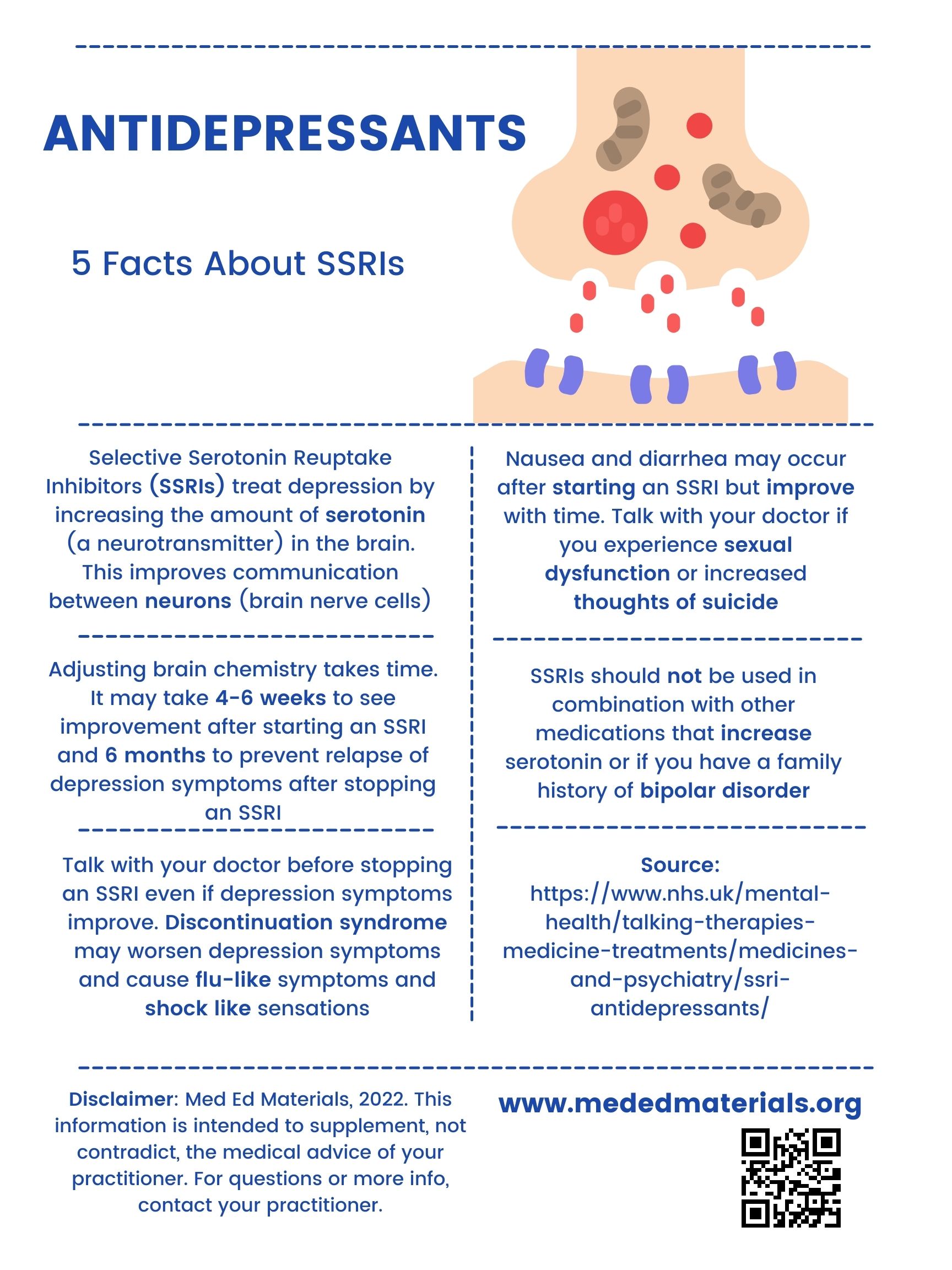
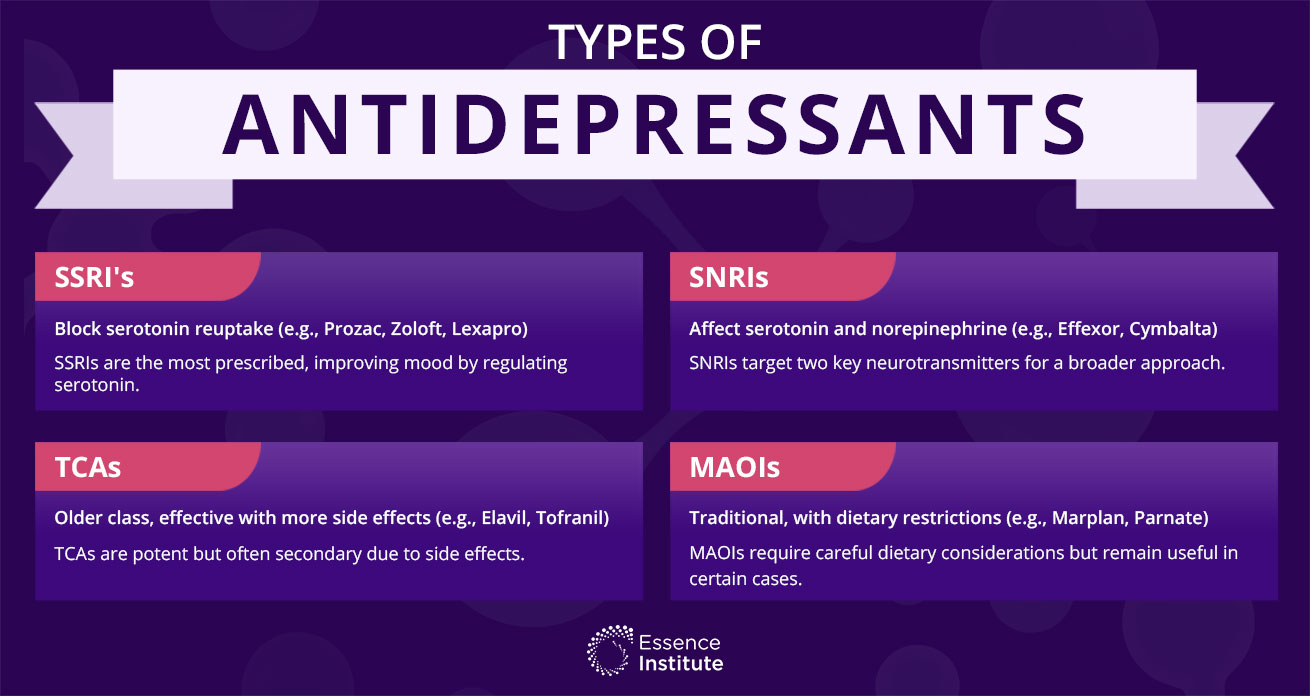
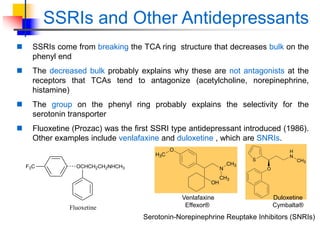
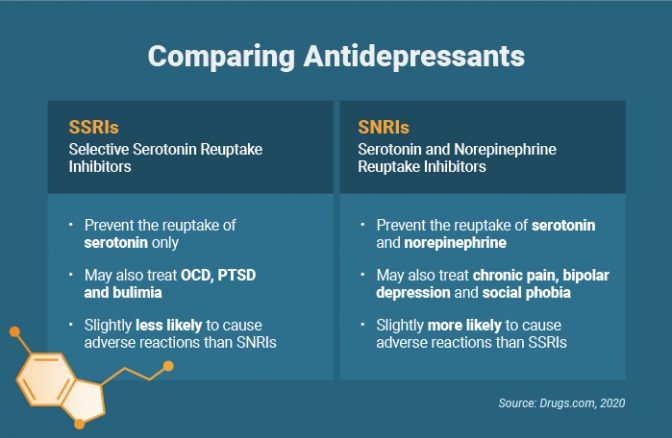
So, what exactly are SSRIs, and how do they function to help you feel better? SSRIs are a class of medications designed to treat depression, anxiety disorders, obsessive-compulsive disorder (OCD), and other mental health conditions by balancing neurotransmitters in your brain. Specifically, they work by increasing the amount of serotonin available in your brain. Serotonin is often called the feel-good chemical, and it plays a critical role in regulating mood, sleep, appetite, and even social behavior. When your brain reabsorbs serotonin too quickly, there might not be enough of it circulating, which can contribute to symptoms of depression and anxiety. SSRIs block this reabsorption, or reuptake, allowing serotonin to linger longer in the spaces between your brain cells, making more of it available to improve communication pathways. This process isnt an overnight fix; it typically takes several weeks for the medication to build up in your system and for you to start noticing a significant difference in your symptoms. Understanding this mechanism helps explain why consistent, daily use is crucial for the medication to achieve its therapeutic effect and why patience is a key ingredient in your treatment journey.
Understanding Common Side Effects: Are SSRI Antidepressants Safe?
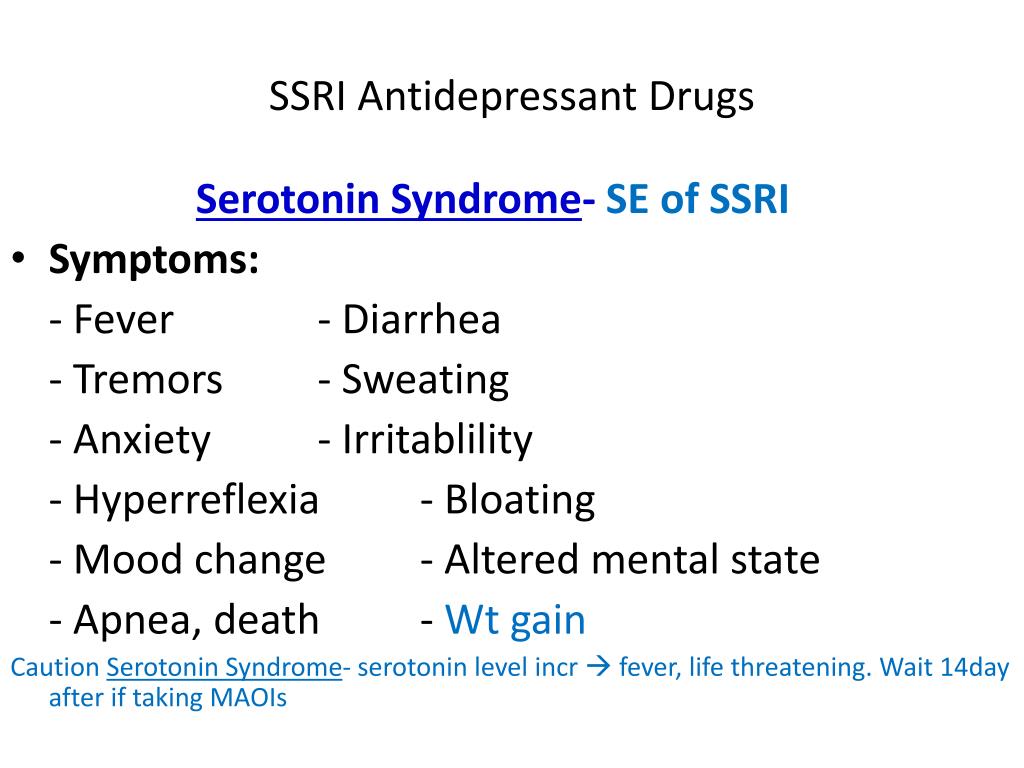
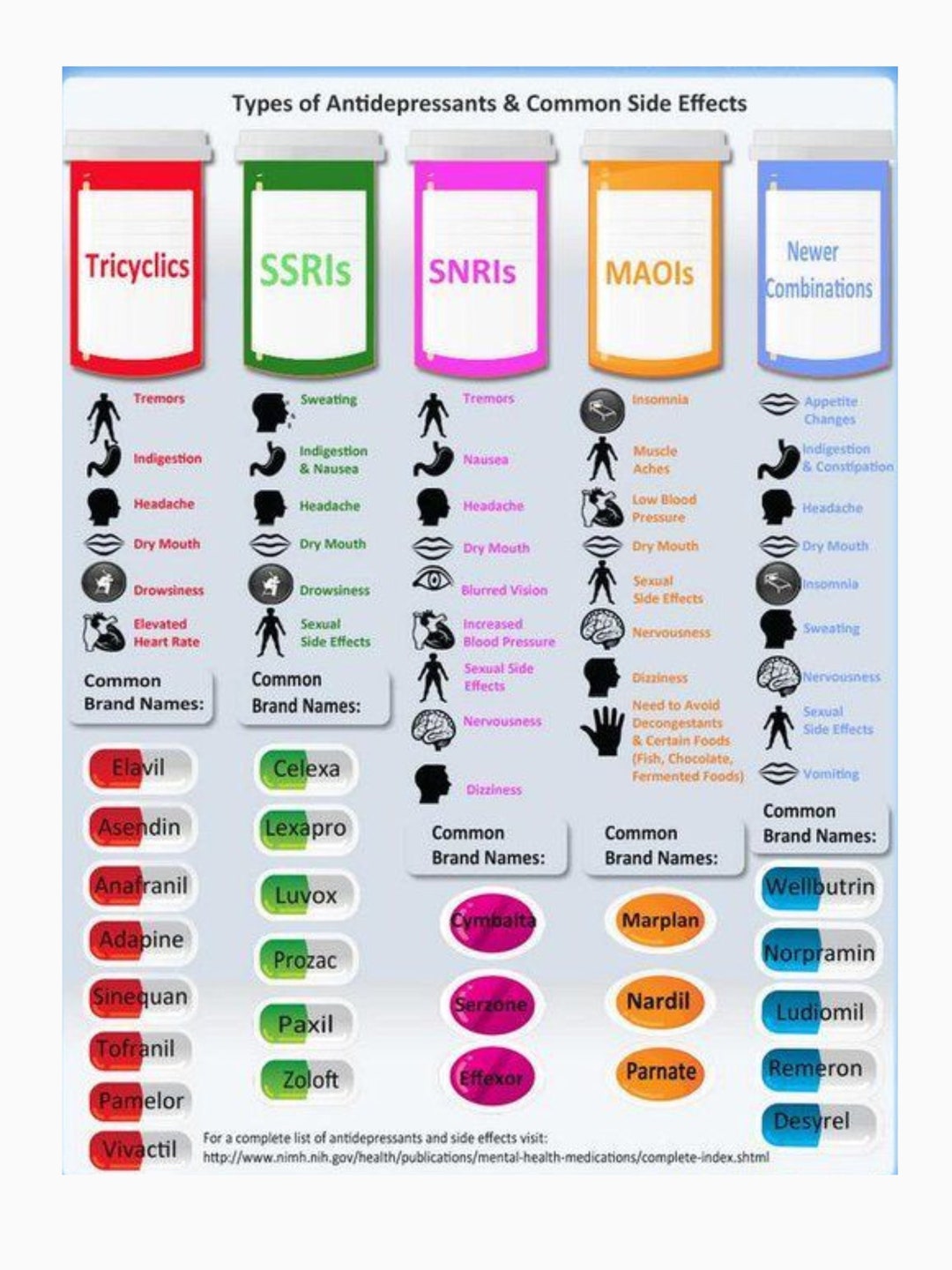
When starting any new medication, its completely natural to wonder about potential side effects, and for SSRIs, this question often leads to concerns about safety. The truth is, like most medications, SSRIs do come with a range of possible side effects, though they are usually mild and tend to resolve within a few weeks as your body adjusts. Common initial side effects can include nausea, insomnia or drowsiness, dry mouth, headaches, and sometimes a temporary increase in anxiety. Some individuals also report sexual side effects, such as a decreased libido or difficulty with orgasm, which can be a more persistent concern. It’s important to remember that not everyone experiences these effects, and their intensity varies greatly from person to person. If you encounter any side effects that are particularly bothersome or do not subside, it’s vital to communicate openly with your doctor. They can offer strategies to manage these symptoms, adjust your dosage, or even suggest an alternative SSRI or antidepressant that might be a better fit for your unique body chemistry, ensuring your treatment journey is as comfortable and effective as possible.
Long-Term Use and Efficacy: Are SSRI Antidepressants Safe?
A frequent concern people have revolves around the long-term use of SSRIs: Are SSRI antidepressants safe for an extended period, and do they remain effective over many years? For many individuals, long-term SSRI therapy is not only safe but also highly beneficial, providing sustained relief from chronic depression or anxiety that might otherwise significantly impair their quality of life. Research consistently shows that continuing SSRIs can prevent relapse for those who have experienced multiple episodes of depression. The decision to continue treatment long-term is always a personal one, made in close consultation with your healthcare provider, weighing the ongoing benefits against any persistent side effects. Regular check-ups are essential to monitor your progress, assess your overall health, and make any necessary adjustments to your treatment plan. It’s reassuring to know that for millions, SSRIs offer a pathway to stability and improved mental well-being, allowing them to lead fuller, more productive lives without constant fear of their symptoms returning. Your doctor can help you understand the long-term outlook for your specific situation.
Navigating Withdrawal and Discontinuation: Are SSRI Antidepressants Safe?
When someone considers stopping SSRI treatment, a significant question often arises: What happens when I stop taking SSRIs, and are the withdrawal symptoms safe? It’s crucial to understand that suddenly stopping SSRIs is generally not recommended, as it can lead to what’s known as antidepressant discontinuation syndrome. This is not a sign of addiction in the traditional sense, but rather your brain adjusting to the sudden absence of the medication. Symptoms can range from flu-like feelings, dizziness, nausea, headaches, and electric shock sensations (sometimes called brain zaps), to anxiety and mood swings. These symptoms, while uncomfortable, are typically not dangerous but can be quite distressing if not managed properly. The safest and most effective way to discontinue SSRIs is gradually, under the careful guidance of your doctor. They will develop a tapering schedule that slowly reduces your dosage over weeks or even months, allowing your brain time to adapt smoothly. This methodical approach minimizes withdrawal symptoms, making the process much more manageable and supporting your continued mental health stability, ensuring you feel secure every step of the way.
Personalized Treatment: Are SSRI Antidepressants Safe?
When we talk about the safety of SSRI antidepressants, its vital to remember that treatment is rarely one-size-fits-all. Every persons body and brain chemistry are unique, meaning an SSRI that works wonderfully for one individual might not be the best fit for another. Why is personalized treatment so important, and how does your doctor determine the safest and most effective approach for you? Your healthcare provider considers a multitude of factors, including your specific diagnosis, the severity of your symptoms, your medical history, other medications you might be taking, and even your lifestyle. They will work closely with you to choose the most appropriate SSRI, determine the starting dose, and monitor your response, making adjustments as needed. This collaborative approach ensures that your treatment plan is tailored precisely to your needs, maximizing benefits while minimizing potential risks. Open and honest communication with your doctor about how you are feeling, any side effects you experience, and your goals for treatment is paramount. It’s about building a strong partnership to navigate your mental health journey together, empowering you to actively participate in decisions that shape your well-being.
| Aspect | Details |
|---|---|
| Effectiveness | Highly effective for depression and anxiety, improving mood and reducing symptoms for many. |
| Common Side Effects | Usually mild and temporary (nausea, insomnia, headaches). Sexual side effects can be more persistent. |
| Long-Term Safety | Generally safe and beneficial for sustained periods, especially for preventing symptom relapse. |
| Withdrawal | Discontinuation syndrome can occur if stopped abruptly; always taper under medical supervision. |
| Individual Response | Effectiveness and side effects vary widely; personalized treatment and doctor consultation are crucial. |
| Usage Guidelines | Take as prescribed, do not self-adjust dose, report concerns to your healthcare provider immediately. |
As we wrap up our conversation on whether SSRI antidepressants are safe, its clear that these medications can be a powerful and effective tool in managing mental health conditions when used thoughtfully and under expert guidance. Whats the takeaway message? Your journey to mental well-being is deeply personal, and understanding the facts about SSRIs empowers you to make informed decisions that resonate with your own health goals. Remember, youre not alone in navigating these choices; your healthcare provider is your essential partner, ready to discuss your concerns, monitor your progress, and adjust your treatment plan as needed. Staying informed, maintaining open communication, and trusting the process are your greatest allies. Are SSRI antidepressants safe? Yes, for many people, under careful medical supervision, they offer a safe and vital path to feeling better and reclaiming a balanced, fulfilling life.
Key points about SSRI safety: SSRI safety, antidepressant side effects, long-term SSRI use, managing SSRI withdrawal, personalized mental health treatment, depression medication, anxiety medication.
SSRI antidepressants are widely prescribed for depression and anxiety, generally considered safe and effective when used under medical supervision. Common side effects are usually temporary, and long-term use can be beneficial for many. Its crucial to understand potential risks, benefits, and the importance of gradual discontinuation to manage withdrawal symptoms safely. Open communication with your doctor is key for personalized treatment.
Zoloft Is An Ssri This Infographic How Do Types Of Infographic PPT PowerPoint Free Ssri Drugs L What Is SMAC The Digital Innovation Revolution Safest Ssris For Seniors
SSRI And SNRI No Clinical Trials Available For PPPD SSRI And SNRI No Clinical Trials Available For PPPD Can You Be On In The Military Different Types Of Side Effects Table Tricyclic Vs SSRIs Cheat Sheet Lecturio Nursing CS Tricyclic Medications For Depression
Likert Scale What Is It Examples How To Interpret 48 OFF Oc Types Side Effects Uses And Risks F6f2e437 33d5 4ced 9079 PPT Practical In Children And Adolescents Ssri Treatment Choices For Depression L Use And Risk Of Outcomes In People Aged F2.large A Cool Guide To The Likelihood Of Common Side Effects
Ssri Side Effects Comparison Chart Comparison Of Antidepress Of SSRIs And Metabolites Cancer And Depression Everything You Need To Know Comparison 672x0 C Default Four Newer Should You Use Them 2016 04 01 CARLAT TCPR April2016 Four New 300x159 Switching Chart Psychiatry Net At James Vines Blog JFP 06509 ClinInquiry T1.JPG
Made Easy Epomedicine Screen Shot 2012 12 03 At 3.47.07 PM PPT REVIEW PowerPoint Free Download Ssris L Of SSRI December 17 2021 YouTube Exercise And Behavioral Therapy More Effective Than SSRIs Teach RARE Fda Approved Ssri 655x1024
SSRI FDA Warnings Lawsuits Safety Concerns SSRI2 Video SSRIs And SNRIs Nursing Osmosis How To Select An SSRI 2020 11 12 CARLAT PUBLISHING TCPR NovDec2020 The SSRIs Ranked Depression Medication Names Non SSRI 10 To Consider
Dr Salam Rahhal On Twitter Medication SSRI SNRI Index Of Materials All 5 Facts About SSRIs For Excessive Sweating At Paul Caison Blog Il 2879 Drugs Market Mental Healthcare AbbVie Drugs Market3
What You Should Know Before StartingMedication For Anxiety And Depression Medication A Guide ArtofitSSRI And SNRI BL SSRIvsSNRI Hero Ppt Ppt 13 320
PPT Psychiatric Medication For Children PowerPoint Free Ssri L