Are you wondering about the rights of noncitizen children to access education in the United States? Its a critical question for many families, and understanding the legal framework is essential. This comprehensive guide dives deep into how noncitizen children, regardless of their immigration status, can attend public K-12 schools across the USA without tuition fees. We explore the landmark Supreme Court decision, Plyler v. Doe, which firmly established this right, ensuring that all children residing within a school districts boundaries receive an equal educational opportunity. Discover the simple enrollment process, what documents are typically requested (and what isnt!), and the various support systems available to help noncitizen students thrive. This article aims to clarify misconceptions, empower parents and guardians, and provide valuable information for anyone seeking to navigate the public education system in the United States for noncitizen children. Its an important topic with significant implications for individual futures and community well-being, deserving of clear, actionable insights for everyone involved in this journey.
When you consider the bustling landscape of American communities, a vital question often arises for many families: Can noncitizens go to public school free in USA? The resounding answer is a clear and affirmative yes, and understanding why and how this right is protected is incredibly empowering for countless individuals. This foundational right ensures that every child, regardless of their immigration status—whether they are undocumented, hold a visa, or are seeking asylum—can attend public elementary and secondary schools tuition-free, just like any U.S. citizen child. This principle was cemented by a pivotal 1982 Supreme Court decision, Plyler v. Doe, which declared that states cannot deny children access to public education based on their immigration status. This ruling became a beacon, illuminating the path for universal access to K-12 education across the nation. It effectively prevents school districts from charging tuition or requiring proof of legal immigration status for enrollment, emphasizing that education is a fundamental building block for a productive society. So, when can families enroll their children? Typically, during regular school registration periods, which usually occur in the spring or late summer. Where do they go? Directly to their local public school district office or the school itself. And how does this process unfold? We will delve into the specifics, helping you navigate these waters with confidence and clarity, making sure every child has the opportunity to learn and grow in their community.
Understanding the Right to Education: Can Noncitizens Go to Public School Free in USA?
Why do noncitizens have the right to attend public schools without charge in the United States? This crucial access stems from the landmark 1982 Supreme Court case, Plyler v. Doe. This pivotal decision prohibited states from withholding state funds for the education of undocumented children and from charging tuition for their enrollment in public schools. The Court recognized that denying these children an education would create a permanent underclass, hindering their ability to contribute to society and causing significant long-term social and economic harm. Think about it: a child without an education faces immense barriers to finding employment, participating in civic life, and supporting themselves and their families. When the Supreme Court made this ruling, they emphasized the substantial societal costs associated with creating a segment of the population that lacks basic literacy and numeracy. The decision reinforces that education is not merely a privilege but a fundamental necessity for societal progress and individual dignity. How does this decision impact daily school operations? It means that public school districts across all states must enroll students regardless of their immigration status, treating them with the same rights and access to educational programs as any other student. This includes providing essential services like language support for English learners and access to all extracurricular activities. The ruling ensures consistency and fairness, underpinning the principle that every child deserves a chance to learn and develop their potential, irrespective of their parents or their own immigration circumstances.
Who is Eligible and What Documentation is Needed? Can Noncitizens Go to Public School Free in USA?
Who exactly is eligible to attend public schools free of charge, and what specific documentation does a school need? When we talk about noncitizens, this broad category includes children who are undocumented, those holding various types of visas (like tourist or student visas), and children who are asylum seekers or refugees. The crucial point here is that eligibility for public K-12 education in the U.S. does not depend on a childs immigration status. Every child physically present within a school districts boundaries has the right to enroll. What documentation do schools typically request during enrollment? Schools generally ask for proof of residency within the district, which could be a utility bill, a lease agreement, or a sworn statement from a landlord. They also require proof of the child’s age, which can be a birth certificate, an affidavit, or a medical record, and immunization records to ensure public health. It’s vital to understand what schools absolutely cannot demand: they cannot ask for a childs social security number, a specific immigration document like a visa or green card, or inquire about their immigration status or that of their parents. Why is this important? Because asking for such documents can intimidate families and effectively deny a child their right to education, which directly violates the Plyler v. Doe ruling. Schools must not engage in practices that create barriers for noncitizen students, but instead facilitate an inclusive and welcoming environment for all learners. Knowing these specifics empowers parents and guardians to confidently navigate the enrollment process.
The Enrollment Process: How Can Noncitizens Go to Public School Free in USA?
How does a family actually enroll a noncitizen child in a public school, ensuring they can go to public school free in USA? The process is designed to be straightforward, though it can feel daunting if you are unsure of the steps. The first step involves identifying your local school district and the specific school your child would attend based on your residential address. You can often find this information on the districts website or by contacting the district office directly. Next, gather the necessary documents that schools typically request, focusing on proof of residency, the child’s age, and immunization records. Remember, you do not need to provide immigration documents. When you visit the school or district office for registration, be prepared to complete enrollment forms. If you need language assistance, many schools provide interpreters or bilingual staff to help you understand the paperwork and procedures. What happens if a school official requests immigration documents or asks about your status? You have the right to politely decline to provide that information and remind them of the Plyler v. Doe Supreme Court decision. If you encounter significant resistance or feel that a school is denying your child enrollment based on immigration status, seek help from community organizations, legal aid services, or immigrant rights groups. These organizations understand the legal landscape and can advocate on your behalf to ensure your child’s educational rights are protected. Why does this process matter? It ensures that every child receives their constitutional right to education, providing them a pathway to success and integration within their community.
Addressing Common Concerns: Why Can Noncitizens Go to Public School Free in USA?
Why do we invest in the education of noncitizen children, and why can noncitizens go to public school free in USA? Beyond the legal mandate of Plyler v. Doe, there are profound societal benefits and ethical reasons that underpin this policy. Educating all children within our borders contributes to a stronger, more informed, and more productive society for everyone. When children receive an education, they develop skills, critical thinking abilities, and a sense of civic responsibility, which are essential for economic growth and social cohesion. Denying a group of children access to education not only traps them in a cycle of poverty but also creates a significant public health and safety concern in the long run, as uneducated populations face greater challenges. Think about the long-term impact on communities: an educated populace is better equipped to find stable employment, pay taxes, and contribute meaningfully to the local economy and civic life. What myths often surround this topic? Some believe that educating noncitizen children places an undue burden on taxpayers, but studies often demonstrate that the costs of denying education far outweigh the costs of providing it, both economically and socially. Moreover, many noncitizen parents contribute to the tax base through sales taxes, property taxes (if renting), and often income taxes. The fundamental belief is that every child in America, regardless of their background, deserves the chance to learn and reach their full potential, aligning with the nations core values of opportunity and equality. This approach strengthens the fabric of our communities and fosters a more equitable future for all residents.
Support Systems and Resources for Noncitizen Students: Where Can Noncitizens Go to Public School Free in USA?
When families enroll their noncitizen children, where can they find additional support and resources to help them thrive? Public schools are often equipped with various programs designed to support all students, including noncitizens. Many schools offer English as a Second Language (ESL) or English Language Learner (ELL) programs, which provide specialized instruction to help students develop English proficiency while continuing their academic studies. These programs are vital for integrating new students into the school environment and ensuring they can access the curriculum effectively. Beyond language support, schools also typically have guidance counselors, social workers, and school psychologists who can offer academic, emotional, and social support. These professionals play a crucial role in helping students adjust to a new environment, navigate cultural differences, and address any challenges they might face. How can families locate these resources? School websites, parent-teacher organizations, and direct communication with school staff like teachers or administrators are excellent starting points. Additionally, numerous community organizations and non-profits specifically cater to immigrant and refugee families, providing services such as after-school tutoring, legal assistance, cultural integration programs, and advocacy. These organizations often act as bridges between families and the school system, offering invaluable guidance and support. Why are these support systems so important? They ensure that noncitizen students not only have access to education but also have the tools and assistance necessary to succeed academically and personally, fostering a sense of belonging and empowering them to build a successful future in the United States.
| Aspect | Details | Legal Basis / Recommendation |
|---|---|---|
| Enrollment Right | All children residing in the district, regardless of immigration status, can enroll in K-12 public schools tuition-free. | Plyler v. Doe (1982) Supreme Court ruling |
| Required Documents | Proof of residency (utility bill, lease), childs age (birth certificate, affidavit), immunization records. | Standard school enrollment procedures |
| Prohibited Requests | Schools cannot ask for social security numbers, visas, green cards, or specific immigration status details. | Federal law and guidance to prevent discrimination |
| Language Support | Schools offer English as a Second Language (ESL) or English Language Learner (ELL) programs. | Civil Rights Act of 1964 and Equal Educational Opportunities Act of 1974 |
| Additional Support | Guidance counselors, social workers, community organizations, legal aid for advocacy. | School services and external community resources |
| Access to Programs | Noncitizen students have equal access to all academic programs, extracurriculars, and special education services. | Equal protection under the 14th Amendment |
Ultimately, the question of Can noncitizens go to public school free in USA? is met with a clear and definitive yes, backed by law and a commitment to providing educational opportunities for all children. This enduring right, secured by the Supreme Court’s decision in Plyler v. Doe, ensures that every child, irrespective of their immigration background, possesses the ability to access tuition-free K-12 public education. What does this mean for families? It means confidence in approaching school districts, knowing that immigration status should never be a barrier to enrollment. It empowers parents to gather necessary residency and age documents without fear of intrusive inquiries into their legal standing. Why is this so crucial for our society? Because providing education to all children strengthens communities, fosters economic growth, and upholds fundamental human dignity. Where can families go for help? Local school districts, community organizations, and legal aid services stand ready to assist. How can you ensure this right is upheld? By knowing your rights and advocating for inclusive practices in your local schools. Embracing this principle not only fulfills a legal obligation but also cultivates a more inclusive, educated, and prosperous future for everyone. So, can noncitizens go to public school free in USA? Yes, absolutely, and it’s a right we must collectively uphold for the benefit of all.
Keywords: US public schools noncitizens, free education immigrants, undocumented students rights, Plyler v. Doe ruling, enrollment requirements noncitizens, K-12 education US, immigrant student support, access to education USA, noncitizen student resources, public school for all children, immigrant education, student rights, school enrollment for noncitizens, free public school USA
Yes, noncitizen children can attend public K-12 schools in the USA for free, regardless of their immigration status, due to the 1982 Supreme Court ruling in Plyler v. Doe. Schools cannot deny enrollment based on immigration status or request specific documentation like visas or green cards. The focus is on providing all children with access to education.
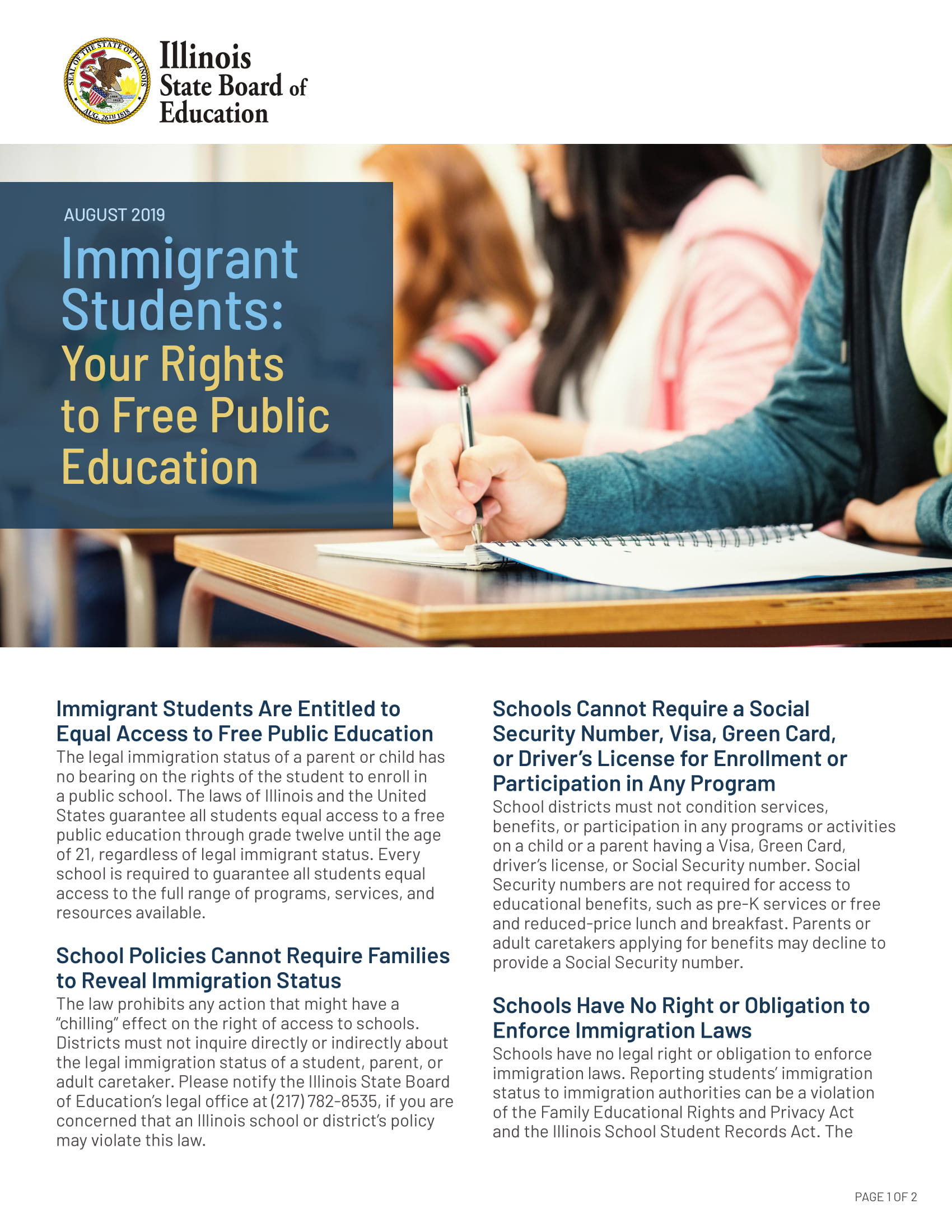
Feds To Schools Immigrant Students Entitled To Free Public Education 90Do Students In The USA Have Access To Free Public Education Are Public Schools Free In Usa For Students A Free Public School Education Can Cost 1 300 A Year And It S
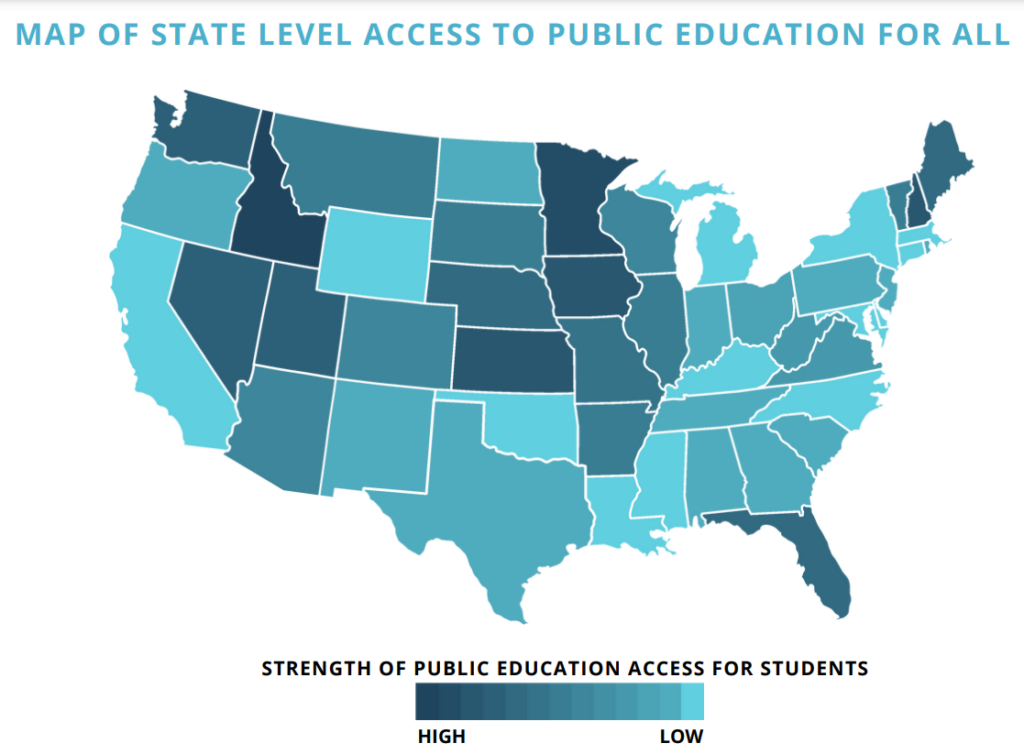
The Education In The USA Slide 2 Miami Dade County School Calendar 2025 2026 Miami Dade County Public Schools Calendar Page 001 What Are The Benefits Of Open Enrollment In K 12 Public Schools Yes Every Kid Map Of Flexible Access To Public Education 134x116 Can Child Actors Go To Public School An In Depth Look At Their Can Child Actors Go To Public School 1706909561
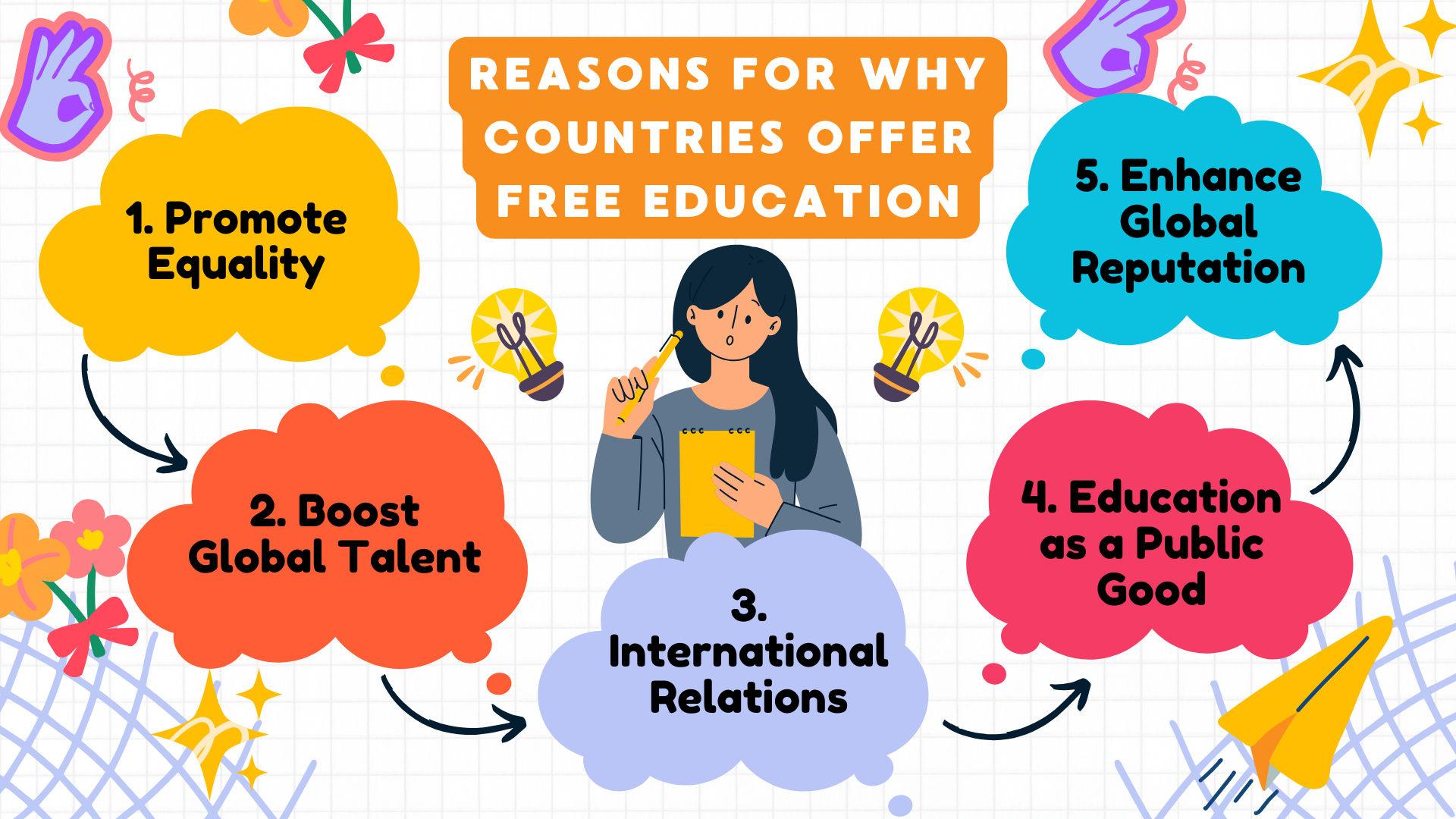
Education Department Releases Proposed 2026 School Calendar Jpeg Optimizer 2026 School Calendar Proposal How Many Schools Are In The U S MDR Education How ManySchools Chart 4 1024x576 Countries With Free Education For Students 2025 White Colorful Mind Map Brainstorm 3 Rethinking K 12 Education And Beyond Manhattan Institute Figure 1 NY Vs US Per Pupil K 12 Spending 2000 2020
Opinion Education In America School Is For Everyone The New York Times 01Kamenetz School Funding Graph 233322 29254 Can Immigrant Children Go To Public School US Citizenship Anambra Kogi Announce Free Education In Public Schools Free Education
Calendar 2025 2026 Nanaimo Ladysmith Public Schools 2026 27 11 6 Key Policy Proposals To Transform Public K 12 Education What Are The Top 10 K 12 Schools In America For 2026 Is Public School Free In USA Unveiling The Truth Is Public School Free In Usa Can A Minor Child Use An F1 Visa To Attend Public School Attorney Blog Post.webp
How Many Schools In The US 2025 Updated Data Number Of Public Schools By States 2048x1071 School Opening Alert Immigrant Students Rights To Attend Public B24a7c52 E60d 4965 A8a9 Immigrant Students Your Rights To Free Public Education Tony McCombie Immigrant Students Right 01 25 Best Public High Schools In USA YouTube
Number Of U S Public School Students Eligible For Free Lunch By State 632267 Blank 355 Chart Despite Progress Millions Without Access To Education Statista 3180 Are Public Schools Free In The USA For Students Ascension Tonight The Ascension Parish School Board Approved The Media
New Report Examines State By State Policy On Flexible Access To Public Image 1024x754 Public Schooling In America Measuring Each State S Commitment To Public Schooling In America Cover 1583x2048 How To Study In USA For Free In 2025 Tips To Study In Usa For Free In 2024.webpK 12 Education The Right To A Free Public Education The Great Educator K 12 Education The Right To A Free Public Education
FREE Download 2025 2026 School Calendar Lead Joyfully Slide33 8 1536x994 Which States Are Challenging Students Right To Free ThumbnailPublic School Enrolment In America Is Unlikely To Return To Normal 20211118 USP004 Duval County Public Schools Calendar 2025 2026 District Duval County Public Schools Calendar 2025