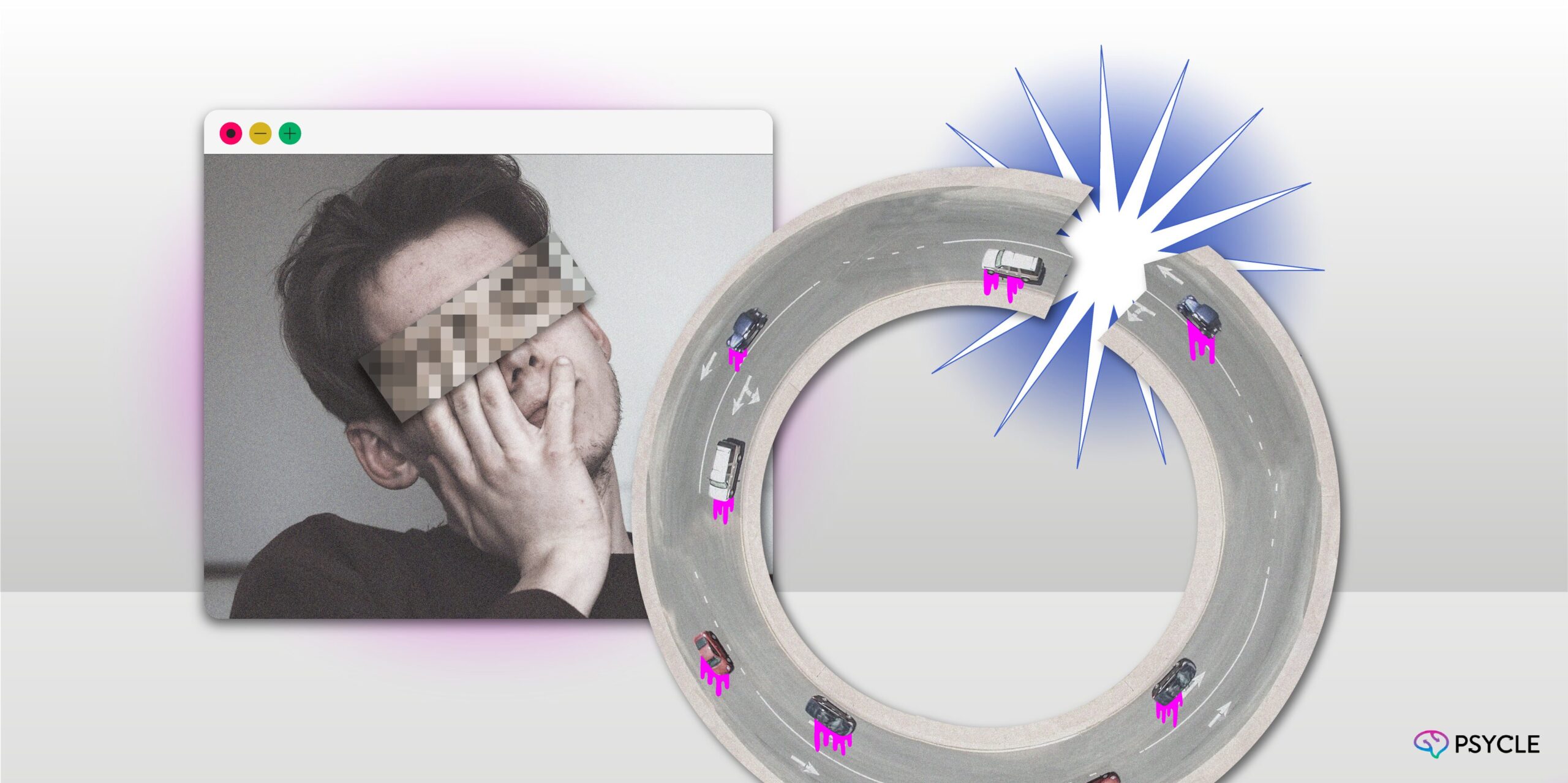
Have you ever found yourself caught in a relentless loop of thoughts, questions, or worries that just refuse to quit? Many people silently battle obsessive thought patterns, wondering how to break free from this mental trap and reclaim their peace of mind. This comprehensive guide serves as your trusted companion on the journey to understanding, managing, and ultimately stopping obsessive tendencies. We will explore what drives these persistent thoughts, why they feel so overwhelming, and how practical strategies can empower you to regain control over your mental landscape. Discover actionable steps, from embracing mindfulness to challenging ingrained thought patterns, and learn when reaching out for professional support can make all the difference. This article aims to provide clear, actionable insights to help you navigate the complexities of obsessive thinking and foster a calmer, more focused existence. Your quest for mental tranquility begins here, offering a path to reduce the grip of obsessive thoughts and enhance your overall well-being, making it a highly trending and valuable resource for anyone seeking to overcome this common challenge.
Ever find yourself trapped in a mental loop, asking, How do I stop being obsessive? You are certainly not alone in this experience, as countless individuals grapple with the unsettling sensation of thoughts that just wont fade away. This article is your guide, offering a warm, conversational journey through the landscape of obsessive thinking, helping you understand what it is, why it happens, and most importantly, how to gently steer your mind toward a calmer, more focused path. What exactly constitutes an obsessive thought, and how does it differ from a regular, passing concern? Where do these persistent worries originate, and why do they seem to cling so stubbornly to our consciousness, impacting our daily lives and often stealing our peace? We will unpack the common triggers and patterns, empowering you with practical strategies to regain control and foster a sense of mental freedom. When is the right time to begin addressing these thoughts, and who can truly help you navigate this often challenging internal struggle? Our aim is to provide clear, actionable advice that resonates, helping you answer the crucial question of how to stop being obsessive.
Understanding Obsessive Thoughts: How Do I Stop Being Obsessive?
What are these persistent mental intruders we label as obsessive thoughts, and how do they differ from the usual worries that flit through our minds? An obsessive thought is typically a recurrent, persistent, and unwanted thought, image, or urge that is experienced as intrusive and causes significant anxiety or distress. It isnt just about occasionally wondering if you locked the door; its about checking it ten times, then still feeling uneasy, or replaying a conversation endlessly, analyzing every word and inflection. Why do these thoughts take root, and what makes them so difficult to dislodge once they settle in? Often, they stem from a natural human desire for control or certainty, which paradoxically leads to more distress when we try too hard to suppress them. Who experiences these thoughts, and is it a sign of weakness or a deeper problem? Anyone can experience obsessive thoughts, but when they become overwhelming and disruptive, they might be part of a larger pattern like Obsessive-Compulsive Disorder (OCD) or General Anxiety Disorder (GAD). How do these patterns manifest in daily life, and where do they typically show up? They can appear as fears about contamination, doubts about actions, unwanted aggressive or sexual images, or an intense need for symmetry and order, often leading to compulsive behaviors that aim to neutralize the thought or reduce anxiety. When does a simple concern cross the line into obsession, truly asking How do I stop being obsessive? It’s when the thought consumes an excessive amount of your time, causes significant emotional distress, or interferes with your relationships, work, or daily activities.
The Roots of Repetitive Thinking: How Do I Stop Being Obsessive?
When we ask ourselves How do I stop being obsessive?, its helpful to explore the underlying reasons why these persistent thought patterns take hold. Why do our minds get stuck in these relentless loops, replaying scenarios or fixating on worries? The roots of repetitive thinking are often intertwined with anxiety, stress, and a natural human inclination to seek solutions or prevent perceived dangers. What fuels this cycle? High levels of stress can make anyone more susceptible, as our brains, in an attempt to protect us, sometimes go into overdrive, scrutinizing every potential threat. Who is most vulnerable to these patterns? Individuals who tend toward perfectionism, or those with a history of trauma, often find themselves more entangled in obsessive loops, as their minds strive for an elusive sense of control or safety. Where do these patterns manifest most strongly? They frequently appear when we face uncertainty, significant life changes, or situations where the stakes feel high. How does this connection work? Essentially, the brain tries to solve a perceived problem by thinking about it repeatedly, but this overthinking often escalates the anxiety, trapping us in a vicious circle. This isnt about blaming yourself; its about understanding the complex interplay of your environment, past experiences, and inherent thought processes that contribute to the challenge, paving the way for effective strategies to break free.
Practical Strategies to Break the Cycle: How Do I Stop Being Obsessive?
When youre constantly asking How do I stop being obsessive?, remember that breaking free from these persistent thought patterns is an active process that involves a blend of self-awareness and practical techniques. What are some effective, easy-to-implement strategies that can make a real difference in your daily life? This journey starts with small, consistent steps, gradually empowering you to regain control over your mental landscape. We will explore several methods that have helped many people quiet the insistent chatter of an obsessive mind, offering you actionable advice you can begin using today. Who benefits most from these approaches? Anyone feeling overwhelmed by recurring thoughts, desires to find greater peace, or seeks to shift their mental energy from distress to proactive engagement. How can these strategies be integrated into your busy schedule, and when is the best time to practice them? You can incorporate them into your routine whenever you notice the intrusive thoughts beginning to take hold, acting as immediate mental interventions. Lets dive into some powerful ways to challenge and redirect your mind, transforming the way you interact with your thoughts and empowering you to live more freely.
Acknowledge and Observe: How Do I Stop Being Obsessive?
One powerful first step in answering How do I stop being obsessive? involves simply acknowledging and observing your thoughts without judgment. What does this really mean, and how can it help? Instead of trying to push an obsessive thought away — which often makes it stronger — you consciously choose to notice it, like watching a cloud drift across the sky. Who practices this technique? This is a core tenet of mindfulness, a practice embraced by millions seeking mental clarity and peace. Why is non-judgmental observation so crucial? When you observe a thought without labeling it as good or bad, right or wrong, you start to detach from its emotional charge. How does this shift your perspective? It helps you realize that you are not your thoughts; they are merely events in your mind. Where can you practice this? Anywhere! Whether you’re on a bus, washing dishes, or sitting quietly, you can bring your attention to your thoughts and simply note their presence. When is the best time to start? Right now, the next time an obsessive thought arises. You might even give the thought a label, such as oh, there’s that worry about work again or I’m having a thought about checking. This practice, often called thought defusion, helps create a healthy distance, weakening the thoughts power over your emotions and actions, allowing you to respond more thoughtfully rather than react impulsively. It gives you space to breathe and choose your next mental step.
Challenge Your Thoughts: How Do I Stop Being Obsessive?
A critical strategy for anyone asking How do I stop being obsessive? involves learning to challenge the validity of your thoughts, rather than passively accepting them as truth. What does it mean to challenge a thought, and how is it different from simply trying to suppress it? Challenging means actively questioning the evidence for a thought, scrutinizing its logic, and considering alternative perspectives. Why are your thoughts not always facts, and who tends to fall into this mental trap? Our minds, particularly when anxious, can generate exaggerated or distorted interpretations of reality, and many people, especially those prone to overthinking, mistake these interpretations for absolute truths. How do you go about questioning their validity? Start by asking yourself: Is this thought based on facts, or is it an assumption? Whats the worst that could realistically happen? Am I looking at all the evidence, or just the evidence that confirms my fear? What would a trusted friend say about this? Where can you practice this technique effectively? You can do this mentally, journal your thoughts to see them on paper, or even discuss them with a supportive person. When is the ideal moment to challenge a thought? As soon as you notice an obsessive thought causing distress. This process, often part of Cognitive Behavioral Therapy (CBT), helps you realize that many obsessive thoughts are not accurate reflections of reality and empowers you to build a more balanced, rational internal dialogue.
Redirect Your Focus: How Do I Stop Being Obsessive?
When obsessive thoughts try to take over, learning to actively redirect your focus is an incredibly empowering technique for those wondering, How do I stop being obsessive? What does it truly mean to redirect your focus, and how does this conscious shift help break the grip of repetitive thinking? It means deliberately shifting your attention from the intrusive thought to a concrete, engaging activity or task. Why is this more effective than just trying to stop thinking about something? Our brains are designed to focus on something; trying to not think often leads to thinking about not thinking. By giving your mind something constructive to do, you actively change the channel. Who benefits most from this approach? Anyone feeling overwhelmed by mental loops can gain immediate relief. What activities help redirect focus effectively? Engage your senses! This could be a complex puzzle, a creative hobby like painting or playing an instrument, a vigorous workout, preparing a detailed meal, or immersing yourself in a captivating book or podcast. When is the best time to redirect? As soon as you recognize the obsessive thought taking hold, quickly pivot to a chosen activity. How can you make this redirection a habit? Have a go-to list of engaging activities ready. The key is to choose something that requires your full attention, pulling your mind away from the internal chatter and anchoring it firmly in the present moment, giving your brain a new, healthier pattern to follow.
Set Boundaries with Your Mind: How Do I Stop Being Obsessive?
For those frequently asking, How do I stop being obsessive?, a highly effective strategy involves setting clear boundaries with your own mind, often through a technique known as worry time. What exactly is worry time, and how does establishing this mental boundary work to your advantage? It means dedicating a specific, limited period each day—say, 15-30 minutes—to intentionally focus on all your worries and obsessive thoughts. Why is this technique so powerful, and who developed this approach? Psychologists often recommend this strategy to help individuals gain control over intrusive thoughts by containing them rather than letting them spill throughout the day. How do you implement this, and where should you do it? Choose a consistent time and a specific, perhaps uncomfortable, place that isnt your bedroom, where you sit and allow yourself to worry about anything that comes to mind. When can this technique be most effective? It works best if you consistently postpone worrying outside of your designated worry time, telling yourself, Ill think about this later during my worry time. This trains your brain that theres a specific window for these thoughts, reducing their power during other hours. By consciously deferring these thoughts, you assert control over their timing, gradually diminishing their overall frequency and intensity, and giving you back the mental freedom you crave for the rest of your day.
Embrace Imperfection: How Do I Stop Being Obsessive?
A profound shift in perspective for anyone wrestling with the question How do I stop being obsessive? comes from learning to embrace imperfection. What does embracing imperfection truly mean, and how does it relate to overcoming obsessive thoughts? It means letting go of the relentless pursuit of flawless outcomes or absolute certainty, understanding that mistakes are part of being human and that uncertainty is a fundamental aspect of life. Why is perfectionism often a trap that feeds obsessive thinking? When we demand perfection from ourselves or our environment, we create an impossible standard that fuels endless rumination, doubts, and the need to recheck things repeatedly. Who benefits most from adopting a more flexible mindset? Everyone, but especially those whose obsessive thoughts are rooted in fears of making mistakes, contamination, or not being good enough. How does self-compassion help in this process? Instead of criticizing yourself for perceived flaws or errors, treating yourself with kindness and understanding helps to soothe the anxious mind that often drives obsessive patterns. When should you practice embracing imperfection? Constantly, in all areas of your life where obsessive thoughts arise. By accepting good enough instead of demanding perfect, you reduce the pressure on your mind, allowing for more peace and flexibility. Where can you start? Begin with small things, consciously allowing minor imperfections in your daily tasks, and observe how liberating it feels to release the need for absolute control, gradually freeing your mind from the grip of rigid expectations.
When to Seek Professional Support: How Do I Stop Being Obsessive?
While many self-help strategies can be incredibly effective, there are times when answering How do I stop being obsessive? truly requires the guidance of a professional. When should you consider reaching out for specialized help, and why is this a sign of strength, not weakness? If your obsessive thoughts are consuming a significant portion of your day, causing extreme distress, interfering with your relationships, work, or school, or leading to compulsive behaviors that disrupt your life, its a clear signal that professional support could be profoundly beneficial. Who can help you navigate these more complex challenges? Mental health professionals such as therapists, psychologists, or psychiatrists possess the expertise to diagnose underlying conditions and develop tailored treatment plans. What types of therapy are particularly effective for obsessive thinking? Cognitive Behavioral Therapy (CBT), especially a specific form called Exposure and Response Prevention (ERP), is considered the gold standard. ERP gently exposes you to the thoughts or situations you fear, while preventing the usual compulsive reactions, helping your brain learn that the fear is unfounded. How does a therapist guide you through this process? They provide a safe space, teach coping mechanisms, challenge distorted thought patterns, and help you gradually confront fears. Where can you find a qualified professional? Your primary care doctor can offer referrals, or you can search online directories for therapists specializing in anxiety or OCD. Remembering that seeking help is a proactive and courageous step toward a calmer, more fulfilling life is crucial, empowering you to address these challenges with expert guidance.
| Strategy | What It Does | Key Benefit |
|---|---|---|
| Acknowledge & Observe | Notice thoughts without judgment | Reduces emotional charge |
| Challenge Thoughts | Question thoughts validity | Promotes rational thinking |
| Redirect Focus | Shift attention to engaging activities | Breaks thought loops |
| Set Worry Time | Designate specific time for worries | Limits thought intrusion |
| Embrace Imperfection | Accept good enough, not perfect | Reduces pressure & anxiety |
| Seek Professional Help | Consult therapists for persistent issues | Offers expert guidance & tools |
In your journey to answer How do I stop being obsessive?, remember that this is a process, not a single event. It demands patience, self-compassion, and consistent effort, but the rewards of a calmer, more controlled mind are immeasurable. You possess the inner strength to navigate these challenges and reclaim your mental peace. By integrating these strategies into your daily life—from observing your thoughts without judgment to actively challenging their power and strategically redirecting your focus—you empower yourself to break free from the grip of obsessive thinking. Who will benefit most from these actions? You, your relationships, and your overall well-being. What is the ultimate outcome of these efforts? A life where you are the master of your thoughts, not their prisoner. When should you celebrate your progress? Every small step forward is a victory worth acknowledging. How can you maintain this progress over time? By continuing to practice these techniques and seeking support when needed, you build resilience against future intrusive thoughts. So, how do I stop being obsessive? By taking intentional, consistent steps towards understanding and reshaping your relationship with your own mind, moving confidently towards a life of greater tranquility and freedom.
Summary Q&A: How do I stop being obsessive? By understanding thought patterns, using practical strategies like mindfulness and challenging thoughts, redirecting focus, setting worry time, embracing imperfection, and seeking professional help when needed, you can regain control and find mental peace.
Keywords: stop obsessive thoughts, how to stop obsessing, overcome obsessive thinking, manage repetitive thoughts, deal with obsession, quiet an obsessive mind, mental health tips, anxiety relief, thought control, finding inner peace, letting go of obsession, cognitive behavioral therapy for obsession, obsession self-help, breaking thought loops, managing intrusive thoughts, mindfulness for obsession, ERP therapy, compulsive checking, rumination strategies, mental well-being, healthy thinking habits.
Understand obsessive thoughts, learn practical strategies like mindfulness and thought challenging, identify when professional help is needed, and empower yourself to break free from relentless mental loops. Discover effective techniques for managing worry time and embracing imperfection to foster a calmer, more focused life. This guide will help you answer How do I stop being obsessive by providing actionable steps and insights for lasting change.
How To Stop Negative Obsessive Thoughts 7 Steps To Success Self How To Stop Obsessive Thoughts 683x1024 Obsessive Love Disorder 10 Signs Causes And Coping Tips Stages Of Love Obsession If You Want To Stop Obsessing Over Someone Try These 8 Strategies Your Paragraph Text 247
Break Free Stop Obsessing Over Someone With Practical Steps How To Stop Obsessing Over Someone Practical Steps For Emotional Freedom 768x439 9 Ways To Stop Obsessing Over Someone Guy OR Girl Develop Good Habits How To Stop Obsessing How To Stop Obsessing Over Someone 14 Helpful Ways Loverz Theatre How To Stop Obsessing Over Someone 11 Expert Tips To Stop Being Obsessed With Someone Stop Being Obsessed With Someone
How To Stop Obsessive Thinking About Someone How To Stop Obsessive Thinking About Someone 1 How To Stop Obsessive Thoughts About A Person 15 Tips Breathe To How To Stop Obsessive Thoughts About A Person 300x199 How To Break The Cycle Of Obsessive Thoughts Psycle Health How To Break The Cycle Of Obsessive Thoughts 1 How To Stop Obsessing Over Someone 14 Helpful Ways Loverz Theatre 14 Tips To Stop Being Obsessive In A 864x1536
How To Stop Obsessive Thinking Proven Strategies How To Stop Obsessive Thinking 3 1024x538 Best Steps To Stop Obsessing Over Someone Be Smart Do It With Friendship Marks A Life Even More Deeply Than Love. Love Risks Into Obsession Friendship Is Never Anything But Sharing. - Elie Wiesel How To Stop Obsessive Thoughts Dr Nicole Cain ND MA How To Stop Obsessive Thoughts Blog Image.webpHow To Stop Obsessive Thoughts An Expert Weighs In PS Fitness
How To Stop Obsessing Over Someone 14 Helpful Ways Loverz Theatre 14 Tips To Stop Obsessing Over Someone 2 5 Tips To Help Stop Obsessive Thinking The Everygirl The Everygirl Obsessive Thinking 4 How To Stop Obsessing Over Someone 14 Helpful Ways Loverz Theatre How To Stop Obsessing Over Someone 7 I Learned What The 10 Signs Of Obsessive Exes Are 1.2 How To Reprogram Your Mind To Stop Anxiety
How To Stop Obsessing Over Someone And Control Your Emotions How To Stop Obsessing Over Someone You Cant Have 683x1024 How To Stop Obsessive Thoughts In Their Tracks The Everygirl How To Stop Obsessive Thoughts S How To Stop Obsessive Thoughts In Their Tracks How To Stop Obsessing 4 9 Ways To Stop Obsessing Over Someone Guy OR Girl Develop Good Habits Stop Obsessing Someone 683x1024
Obsessing Over Someone Read These 16 Effective Ways To Stop It Overcoming Obsession How To Stop Obsessing Over A Guy 20 Ways UpJourney How To Stop Obsessing Over A Guy 9 Ways To Stop Obsessing Over Someone Guy OR Girl Develop Good Habits Ways Stop Obsessing Someone 768x384 WAYS ON HOW TO STOP OBSESSING OVER SOMEONE Step By Step Guide On How 62206846
How To Stop Obsessive Thoughts An Expert Weighs In PS Fitness Tmp Pd7Ref Thumbnail PS23 06 Wellness 1456x1456 How To Stop Obsessive Thoughts From Ruining Your Life Learning Mind How To Stop Obsessive Thoughts How To Stop Obsessive Thoughts About A Person 15 Tips Breathe To How To Stop Obsessive Thoughts About Someone How To Stop Obsessive Thoughts And Anxiety W780
Obsessive Thoughts What To Do With Your Intrusive Thoughts How To Stop Obsessive Thoughts About A Person 15 Tips Breathe To How To Stop Obsessive Thoughts About Someone 1 How To Stop Obsessing Over Someone 14 Helpful Ways Loverz Theatre How To Stop Obsessing Over Someone 2 1536x1024 How To Stop Obsessive Thinking Proven Strategies 1024x576